Introduction to Teeth Whitening Options
A dazzling white smile is often linked to confidence, youth, and good health. Thanks to advancements in modern dentistry and easy-to-access at-home treatments, teeth whitening options are more varied than ever. From professional in-office procedures to natural remedies passed down through generations, you have multiple ways to brighten your smile safely and effectively.
This article explores seven powerful teeth whitening options, comparing their costs, effectiveness, benefits, and potential drawbacks. By the end, you’ll have a complete guide to choosing the best whitening method tailored to your needs.
Why People Choose Teeth Whitening
Psychological and Social Benefits
A brighter smile doesn’t just look good—it changes how people feel about themselves. Studies show that people with whiter teeth are often perceived as more confident, attractive, and approachable. Whether it’s for a job interview, wedding, or daily interactions, teeth whitening helps people put their best face forward.
Professional vs. At-Home Whitening
Whitening methods generally fall into two categories: professional treatments performed by a dentist and at-home methods you can do yourself. Professional whitening delivers faster and more dramatic results, while at-home solutions are more affordable and convenient.
Understanding Teeth Discoloration
Common Causes of Stained Teeth
- Food and Drinks: Coffee, tea, red wine, and sodas can leave stubborn stains.
- Tobacco Use: Smoking or chewing tobacco often results in deep yellow or brown stains.
- Medications: Certain antibiotics and antihistamines may lead to discoloration.
- Aging: As enamel wears down, dentin (the inner layer) shows through, making teeth appear darker.
Intrinsic vs. Extrinsic Stains
- Extrinsic Stains: Affect the outer enamel surface and are easier to treat.
- Intrinsic Stains: Occur inside the tooth structure and may require professional whitening or veneers for noticeable results.
In-Office Teeth Whitening Options
Professional treatments are ideal for those seeking rapid, dramatic results.
Laser Teeth Whitening
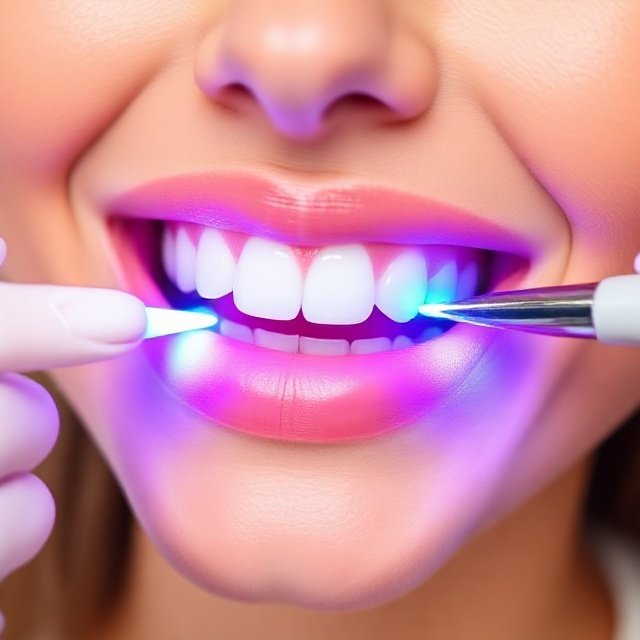
Laser whitening involves applying a bleaching gel to your teeth and activating it with a laser light. The process typically takes 60–90 minutes, producing results up to 8 shades lighter.
- Pros: Quick, highly effective, long-lasting.
- Cons: Expensive, potential sensitivity.
Zoom Whitening Treatment
Zoom whitening uses a hydrogen peroxide-based gel activated by a special lamp. Results are visible in a single session.
- Pros: Fast, safe, noticeable results.
- Cons: Can cause temporary sensitivity, higher cost than home kits.
Professional Bleaching with Peroxide
This classic method uses strong concentrations of hydrogen or carbamide peroxide under dental supervision. It’s customizable and safer than over-the-counter kits.
At-Home Whitening Options
For budget-conscious individuals or those preferring gradual results, at-home teeth whitening options are highly effective.
Whitening Strips and Trays
Thin plastic strips coated with peroxide gel are applied to teeth for 30 minutes daily. Whitening trays work similarly but cover all teeth at once.
- Pros: Affordable, accessible, effective for mild stains.
- Cons: Uneven whitening, possible gum irritation.
Whitening Toothpaste and Mouthwash
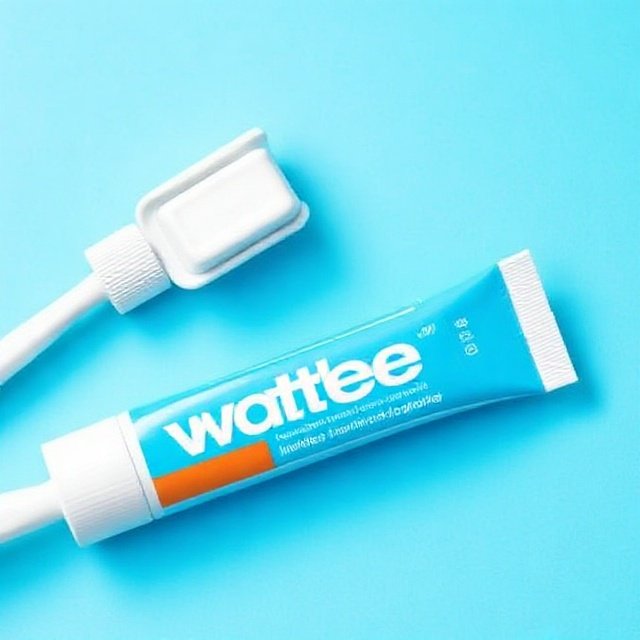
These contain mild abrasives or low levels of peroxide to polish teeth and reduce surface stains.
- Pros: Easy to use, low cost, good for maintenance.
- Cons: Minimal effect on deep stains.
LED Whitening Kits
Home LED kits use a light source to accelerate whitening gel results, mimicking professional treatments at a fraction of the cost.
- Pros: Convenient, noticeable results in weeks.
- Cons: Results vary, potential for overuse.
Natural Teeth Whitening Options
Some people prefer chemical-free methods to brighten their smile.
Baking Soda and Hydrogen Peroxide
A paste of baking soda and peroxide can remove surface stains. Use sparingly to avoid enamel erosion.
Oil Pulling and Herbal Remedies
Swishing coconut oil in the mouth (oil pulling) can reduce plaque and brighten teeth. Herbal powders like neem are also popular.
Dietary Changes for Whiter Teeth
Avoid staining foods and increase crunchy fruits and vegetables like apples and carrots to naturally help keep teeth brighter.
Comparing Teeth Whitening Options
Cost Analysis
- In-Office Whitening: $500–$1,000
- At-Home Kits: $30–$200
- Natural Remedies: Minimal cost
Effectiveness and Duration
- Professional Whitening: Results last 1–3 years
- At-Home Kits: Results last 6–12 months
- Natural Remedies: Subtle, short-term effects
Safety and Side Effects
Most whitening methods are safe when used correctly. Overuse may lead to tooth sensitivity or gum irritation. Always follow product guidelines or consult a dentist.
How to Maintain Whitening Results
Foods and Habits to Avoid

- Coffee, tea, and wine
- Tobacco products
- Dark sauces like soy or curry
Long-Term Oral Hygiene Practices
- Brush twice daily with fluoride toothpaste
- Floss regularly to remove plaque
- Rinse with whitening mouthwash
- Schedule regular dental cleanings
FAQs on Teeth Whitening Options
1. Is teeth whitening safe for sensitive teeth?
Yes, but choose professional treatments or low-strength peroxide products. Dentists can recommend desensitizing gels.
2. How long do teeth whitening results last?
Professional whitening can last 1–3 years, while at-home treatments may last up to 12 months with proper care.
3. Can I whiten dental crowns or veneers?
No. Whitening only works on natural enamel. Crowns or veneers may need professional replacement for a whiter look.
4. What’s the most affordable whitening option?
Whitening toothpaste and strips are the most budget-friendly methods.
5. Do natural remedies actually work?
They can remove minor stains but aren’t as effective as peroxide-based treatments.
Conclusion: Choosing the Best Teeth Whitening Option for You
With so many teeth whitening options available, the right choice depends on your budget, lifestyle, and desired results. Fast, dramatic whitening is best achieved with in-office treatments like laser or Zoom. Gradual and affordable results are possible with at-home kits and whitening strips, while natural remedies help maintain brightness but are less effective alone.
No matter which method you choose, maintaining good oral hygiene and regular dental visits will ensure your smile stays bright and healthy for years to come.