Introduction
Oral health is increasingly recognized as an important component of systemic well-being, with growing evidence linking oral hygiene practices to the prevention of chronic diseases. A January 2025 study has provided new insights, revealing that regular dental flossing may help lower the risk of stroke caused by blood clots originating from the heart. These findings underscore the broader implications of oral care routines beyond dental health, suggesting a potential role in cardiovascular and cerebrovascular disease prevention.
Background: Stroke and Its Risk Factors
Stroke remains one of the leading causes of death and disability worldwide. Among its major types, ischemic stroke—often resulting from blood clots blocking cerebral arteries—accounts for approximately 85% of all stroke cases.
One important subtype is cardioembolic stroke, in which blood clots form in the heart and travel to the brain, frequently associated with conditions such as:
- Atrial fibrillation (AFib)
- Valvular heart disease
- Left atrial thrombus formation
The identification of modifiable lifestyle factors, including oral health behaviors, may offer additional strategies for reducing stroke risk.
Key Findings from the January 2025 Study
The study examined oral hygiene practices, systemic inflammatory markers, and cardiovascular outcomes across a large cohort of adults. Major findings include:
- Lower Stroke Risk with Dental Flossing: Individuals who flossed once daily or more had a significantly reduced incidence of cardioembolic stroke compared to those with inconsistent flossing habits.
- Reduction in Systemic Inflammation: Regular Dental Flossing was linked to lower levels of C-reactive protein (CRP) and pro-inflammatory cytokines, both implicated in clot formation and vascular inflammation.
- Independent Protective Effect: The association persisted even after adjusting for confounding factors such as age, smoking status, diabetes, and hypertension.
These results suggest that mechanical removal of dental plaque may indirectly influence cardiovascular and cerebrovascular health by reducing the bacterial and inflammatory burden.
Possible Mechanisms Linking Dental Flossing and Stroke Prevention
Several biological mechanisms may explain how improved oral hygiene lowers the risk of cardioembolic stroke:
- Reduction in Oral Bacterial Load: Dental plaque harbors pathogenic bacteria that can enter the bloodstream through inflamed gums, potentially triggering endothelial dysfunction and thrombogenesis.
- Decreased Systemic Inflammation: Lower bacterial exposure reduces immune activation, which may limit atherosclerosis and clot formation in the heart and major vessels.
- Prevention of Periodontal Disease: Maintaining healthy gums prevents periodontitis, a known risk factor for cardiovascular events including myocardial infarction and stroke.
- Improved Vascular Health: Reduced inflammatory mediators may enhance vascular elasticity and endothelial function, both protective against ischemic events.
Together, these mechanisms highlight how simple daily habits can exert profound systemic health benefits.
Flossing, Oral Hygiene, and Cardiovascular Health
The January 2025 findings align with previous research linking periodontal health to cardiovascular outcomes. Poor oral hygiene has been associated with:
- Atherosclerotic plaque development
- Endocarditis (infection of heart valves)
- Increased systemic inflammatory burden
Conversely, regular Dental Flossing and brushing help maintain oral microbiome balance, reduce gingival bleeding, and support overall vascular health.
Public Health and Clinical Implications
Given the simplicity and low cost of Dental Flossing, these findings have important implications:
- Preventive Medicine Strategies: Encouraging regular flossing could become part of stroke and heart disease prevention programs.
- Patient Education: Dentists and physicians should emphasize oral hygiene as an essential component of systemic health maintenance.
- Interdisciplinary Collaboration: Integrating dental care with cardiology and primary care may improve patient outcomes through holistic health interventions.
Recommendations for Patients
Based on current evidence, individuals can take the following steps to optimize both oral and cardiovascular health:
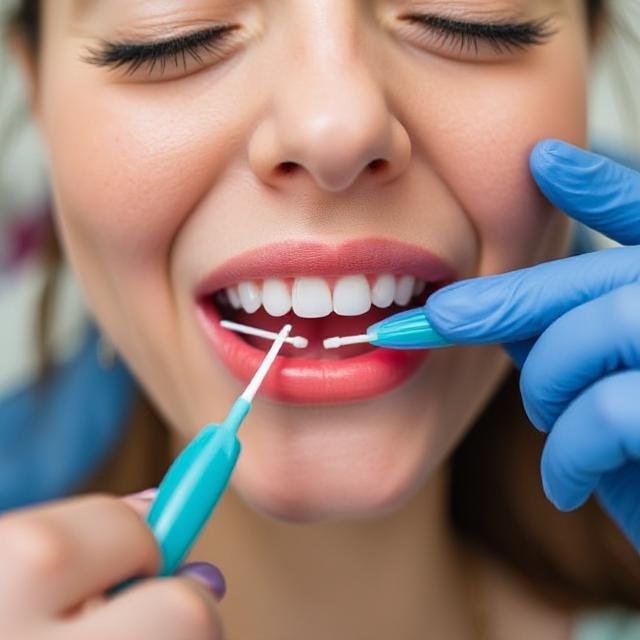
- Floss Daily: Use Dental Flossing or interdental brushes to remove plaque from areas inaccessible to toothbrushes.
- Maintain Regular Dental Check-Ups: Professional cleanings help prevent gum disease and detect oral health issues early.
- Adopt Comprehensive Oral Care: Combine flossing with twice-daily brushing and antimicrobial rinses if recommended.
- Address Cardiovascular Risk Factors: Control hypertension, diabetes, and lipid levels alongside maintaining oral health habits.
Future Research Directions
Further studies are needed to:
- Establish causal relationships through randomized clinical trials.
- Explore whether specific oral bacteria contribute directly to clot formation.
- Assess the long-term impact of improved oral hygiene on cardiovascular and cerebrovascular events in diverse populations.
- Investigate cost-effectiveness of integrating oral hygiene counseling into stroke prevention programs.
Conclusion
The January 2025 research provides strong evidence that regular dental flossing may reduce the risk of cardioembolic stroke by limiting systemic inflammation and vascular damage associated with oral bacteria. Incorporating simple, low-cost oral hygiene practices into daily routines represents a promising strategy for stroke prevention and overall health promotion.