What Are Dental Implants?
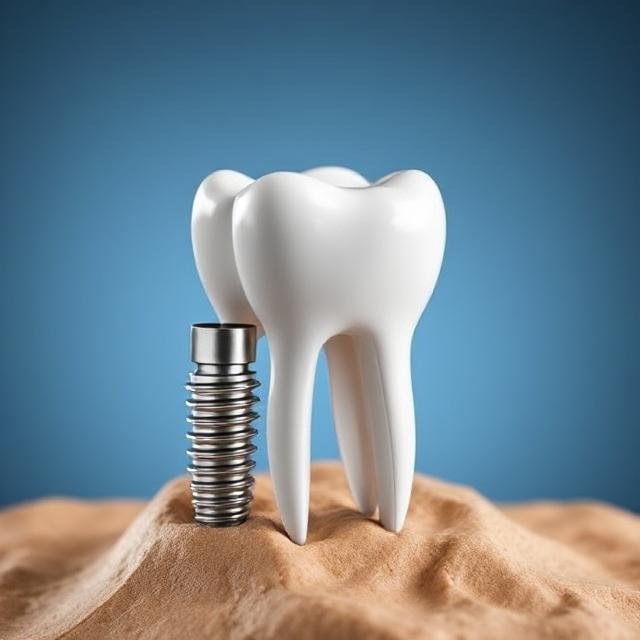
Dental implants are artificial tooth roots made of biocompatible materials, typically titanium, that provide a permanent base for fixed or removable replacement teeth. They are designed to look, feel, and function like natural teeth. Unlike dentures or bridges, implants integrate with the jawbone, offering unparalleled stability and durability. For individuals dealing with tooth loss due to decay, injury, or other causes, dental implants present a long-term, reliable solution.
How Dental Implants Work: A Step-by-Step Guide
The process begins with a comprehensive dental evaluation that includes X-rays, scans, and sometimes 3D imaging to assess the health of your jawbone. The dental implant procedure typically involves several stages:
- Initial Consultation: Assessment of oral health and treatment planning.
- Tooth Extraction (if needed): Removing damaged or decayed teeth.
- Bone Grafting (if required): Adding bone material to strengthen the jaw.
- Implant Placement: Surgically inserting the implant into the jawbone.
- Healing Period: Allowing osseointegration, where the bone fuses with the implant.
- Abutment Placement: Connecting the implant to the artificial tooth.
- Crown Placement: Installing the custom-made crown for a natural appearance.
This step-by-step approach ensures lasting results and minimal discomfort during the healing process.
Types of Dental Implants You Should Know About
There are three main types of dental implants:
- Endosteal Implants: The most common type, placed directly into the jawbone.
- Subperiosteal Implants: Placed on top of the jawbone under the gum tissue, often used when there’s insufficient bone height.
- Zygomatic Implants: Longer implants anchored in the cheekbone, ideal for those with severe bone loss.
Your dentist will recommend the best type based on bone density, oral health, and specific treatment goals.
Benefits of Dental Implants Over Other Solutions
Dental implants offer numerous advantages compared to traditional dentures and bridges:
- Natural Appearance: They look and feel like real teeth.
- Durability: With proper care, they can last decades or even a lifetime.
- Bone Preservation: Prevents jawbone deterioration often caused by missing teeth.
- Improved Functionality: Allows normal chewing, biting, and speaking.
- Enhanced Confidence: No slipping or discomfort like with dentures.
These benefits make dental implants a gold-standard solution for tooth replacement.
Who Is an Ideal Candidate for Dental Implants?
Ideal candidates include:
- Adults with fully developed jawbones
- Non-smokers or those willing to quit smoking during recovery
- Individuals with good oral and general health
- Patients with sufficient bone density or willingness to undergo bone grafting
People with uncontrolled diabetes, immune disorders, or severe bone loss may need additional evaluation before proceeding.
The Science Behind Dental Implant Technology

Modern implants use advanced materials like titanium alloys and zirconia for strength and biocompatibility. Innovations such as 3D imaging, guided implant surgery, and surface treatments that enhance bone integration have improved success rates significantly. Studies show dental implant survival rates exceed 95%, thanks to decades of research and continuous technological advancements.
Costs and Financing Options for Dental Implants
The cost of dental implants varies based on:
- Number of teeth replaced
- Type of implant and materials used
- Geographic location and dental clinic expertise
On average, a single implant can cost between $3,000 to $5,000. Many dental offices offer financing options, payment plans, or work with insurance providers to make implants more affordable.
Step-by-Step Dental Implant Procedure Explained
The complete implant procedure usually spans several months:
- Consultation & Imaging: Understanding bone health and oral needs.
- Pre-Surgery Preparation: Tooth extraction, bone grafting if required.
- Implant Placement Surgery: Outpatient procedure under local anesthesia.
- Osseointegration Period: 3–6 months for bone fusion.
- Abutment Installation: Connector piece placement for the crown.
- Final Restoration: Placement of the permanent crown for aesthetics and function.
Each step is carefully planned to ensure comfort, success, and long-term durability.
Risks and Complications: What You Need to Know
Although implants are generally safe, potential risks include:
- Infection at the implant site
- Implant failure due to poor bone integration
- Nerve or sinus issues if placed incorrectly
- Gum inflammation around the implant
Choosing an experienced dentist significantly reduces these risks, and most complications are treatable if detected early.
Recovery and Aftercare Tips for Dental Implants
Proper aftercare ensures long-term success:
- Maintain excellent oral hygiene with brushing and flossing
- Use antibacterial mouth rinses as recommended
- Avoid hard foods during initial healing
- Attend regular dental checkups for professional cleaning and monitoring
Following your dentist’s instructions is key to a smooth recovery and lasting results.
Dental Implants vs. Other Restorative Options
| Feature | Dental Implants | Bridges | Dentures |
|---|---|---|---|
| Longevity | 20+ years, often lifetime | 5–10 years | 5–8 years |
| Bone Preservation | Yes | No | No |
| Aesthetics | High | Moderate | Moderate |
| Comfort & Functionality | Natural feel | May cause discomfort | May slip or click |
| Cost | Higher initial cost | Moderate | Lower initial cost |
Implants, while more expensive upfront, prove more cost-effective in the long run due to durability and reduced maintenance.
Success Rates and Longevity of Dental Implants
Studies show a 95–98% success rate for dental implants when patients maintain good oral hygiene and attend regular dental visits. With proper care, many implants last over 25 years, making them a long-term investment in oral health and overall confidence.
Innovations Shaping the Future of Dental Implants
Recent innovations include:
- 3D Printed Implants: Personalized fit and faster production times.
- Robotic-Assisted Implant Surgery: Enhanced precision and safety.
- Smart Implants with Sensors: Real-time monitoring for early detection of issues.
- Advanced Biomaterials: Improved bone integration and aesthetic results.
The future of dental implants promises greater accessibility, affordability, and convenience for patients worldwide.
FAQs About Dental Implants
1. Are dental implants painful?
Most patients report minimal discomfort, often less than tooth extraction, with local anesthesia managing pain effectively.
2. How long do dental implants last?
With proper care, implants can last 20 years or even a lifetime.
3. Can smokers get dental implants?
Yes, but smoking increases the risk of implant failure. Quitting before and after surgery is highly recommended.
4. Do dental implants require special care?
No special care is needed beyond regular brushing, flossing, and dental checkups.
5. How soon can I return to work after surgery?
Most people resume normal activities within 1–2 days post-surgery, depending on complexity.
6. Are dental implants covered by insurance?
Some insurance plans cover part of the cost, but coverage varies widely. Check with your provider for details.
Conclusion: Your Path to a Confident Smile
Dental implants have transformed modern dentistry, offering a permanent, natural-looking solution for tooth loss. With proper planning, skilled professionals, and advanced technology, dental implants provide lasting function, aesthetics, and confidence. If you’re considering this life-changing procedure, consult with a qualified dental specialist to explore your options and take the first step toward a healthier, brighter smile.
Disclaimer
The content on this dental news blog is intended for general informational purposes only. It should not be considered as dental or medical advice, diagnosis, or treatment. Always seek the guidance of a qualified dental professional or healthcare provider regarding any specific dental concerns or conditions. The authors and publishers of this blog are not responsible for any actions taken based on the information provided.