
Introduction to Orthodontics & Aligners
Orthodontics and Aligners represent a modern approach to straightening teeth, improving bite function, and enhancing smiles without the inconvenience or visibility of traditional braces. Aligners are transparent, custom-made trays that fit over the teeth, gradually shifting them into proper alignment over time. They have become increasingly popular due to their comfort, discreet appearance, and convenience.
In this comprehensive guide, we will explore the importance of orthodontics for oral health, the evolution from braces to aligners, treatment processes, cost factors, maintenance tips, and future innovations. We will also answer common FAQs to help you make informed decisions about your dental care journey.
Why Orthodontics Matters for Oral Health
Orthodontic treatment goes beyond cosmetic improvements. Properly aligned teeth play a significant role in overall oral health. They are easier to clean, reducing the risk of cavities and gum disease. A corrected bite can prevent jaw discomfort, headaches, and abnormal wear on tooth enamel.
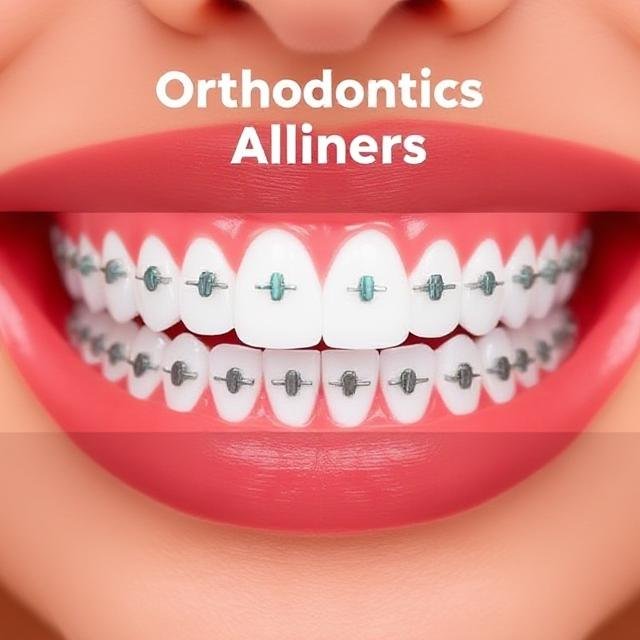
Here are a few health benefits of orthodontic care:
- Improved hygiene: Straight teeth allow better access for brushing and flossing.
- Better chewing efficiency: Properly aligned teeth improve digestion by breaking down food effectively.
- Reduced risk of dental issues: Misaligned bites can lead to uneven tooth wear and jaw problems.
- Speech improvement: Certain bite problems can affect speech clarity; orthodontics can correct this.
Many people underestimate how much oral health impacts overall wellness. Straight teeth contribute to a healthier mouth and, ultimately, a healthier body.
Evolution of Orthodontics: From Braces to Clear Aligners
Orthodontics has evolved significantly in recent decades. Traditional metal braces were the standard treatment for years. They are effective but come with drawbacks such as visibility, dietary restrictions, and occasional discomfort.
Traditional Braces vs. Modern Aligners
- Traditional Braces: Metal or ceramic brackets attached to teeth with wires. Suitable for complex cases but highly visible.
- Clear Aligners: Transparent plastic trays that are removable, comfortable, and nearly invisible, making them ideal for adults and teens seeking discretion.
Technological Advancements
The introduction of 3D imaging, digital treatment planning, and AI-powered orthodontics has revolutionized treatment accuracy. Patients can now see simulated results before treatment even begins, creating a more predictable and efficient process.

How Orthodontic Treatment Works
Orthodontics relies on applying gentle, continuous pressure to teeth over time. This pressure remodels the bone surrounding the tooth roots, allowing gradual movement.
Stages of Orthodontic Treatment
- Initial Consultation: Examination, x-rays, and scans help the orthodontist understand your needs.
- Treatment Planning: Digital models predict tooth movement and create a personalized plan.
- Active Treatment: Aligners or braces guide teeth into the desired position over months.
- Refinement: Minor adjustments fine-tune alignment for optimal results.
- Retention: Retainers maintain the new alignment and prevent relapse.
Different Types of Aligners Explained
Clear aligners come in various forms to suit different needs.
- Standard Clear Aligners: Designed for mild to moderate alignment issues, typically replaced every one to two weeks.
- Customized Aligners: Advanced scanning technology creates a precise fit for better comfort and effectiveness.
- Lingual Braces: Placed behind the teeth for a discreet yet fixed solution for complex cases.
Choosing the right system depends on treatment complexity, budget, and personal preference.
Benefits of Choosing Aligners Over Braces
Aligners offer multiple advantages over traditional braces:
Aesthetic Benefits
Clear aligners are nearly invisible, offering a discreet treatment option.
Convenience and Comfort
They are removable for eating, drinking, brushing, and flossing. Smooth plastic trays cause less irritation compared to wires and brackets.
Lifestyle Flexibility
Fewer in-office visits are often needed since treatment progress can be monitored digitally in some cases.
Candidacy: Who Needs Orthodontics?
Orthodontic treatment isn’t just for children or teens. Adults now make up a significant portion of orthodontic patients.
- Children: Early interventions can guide jaw growth and prevent future complications.
- Teens: Ideal age for orthodontics due to remaining growth potential.
- Adults: Increasingly choosing aligners for aesthetic and functional improvements.
Issues like crowding, gaps, overbites, underbites, and crossbites can all benefit from orthodontic care.
Step-by-Step Orthodontic Treatment Process
- Consultation: Understand your goals, budget, and oral health status.
- Treatment Plan: Digital modeling maps out tooth movements.
- Fabrication: Custom aligners or braces are created based on your plan.
- Treatment Phase: Sequential aligners guide teeth into alignment or braces are adjusted periodically.
- Monitoring: Progress is tracked through visits or remote monitoring apps.
- Retention Phase: Retainers prevent teeth from shifting back.
Cost and Affordability of Aligners
Aligner treatment costs vary based on factors like case complexity, provider expertise, and location.
- Mild cases: Less expensive, fewer aligners needed.
- Comprehensive cases: Higher costs due to longer treatment time and more aligners.
Many providers offer financing plans, and some insurance policies cover a portion of orthodontic care.
Maintenance and Aftercare
Proper maintenance ensures lasting results:
- Cleaning Aligners: Brush gently and rinse them regularly.
- Oral Hygiene: Continue brushing and flossing after meals before reinserting aligners.
- Retainers: Worn nightly or as instructed to maintain alignment.
Common Challenges and Solutions
- Discomfort: Initial soreness fades as you adjust.
- Compliance: Wearing aligners as prescribed ensures timely results.
- Lost Aligners: Contact your provider for replacements; keep previous sets as backups.
The Future of Orthodontics and Aligners
AI-driven treatment planning, 3D printing, and remote monitoring are making orthodontics more efficient, precise, and accessible. Virtual consultations and teleorthodontics are expanding care options for patients worldwide.
FAQs About Orthodontics & Aligners
Q1: How long does treatment usually take?
Most treatments last 6–18 months, depending on complexity and compliance.
Q2: Are aligners painful?
You may experience mild discomfort when switching to a new set, but it’s temporary and manageable.
Q3: Can I eat and drink with aligners?
You should remove aligners when eating or drinking anything other than water to avoid damage or staining.
Q4: Are aligners suitable for severe cases?
Severe misalignments may require braces or combination treatments.
Q5: How often should I wear my retainers?
Initially, wear retainers full-time, then transition to nighttime use as instructed.
Q6: Will insurance cover orthodontic treatment?
Many dental insurance plans cover part of the cost, especially for children and teens.
Conclusion and Final Thoughts
Orthodontics & aligners have transformed the way we approach dental alignment, offering discreet, comfortable, and effective alternatives to traditional braces. With technological advancements and increasing accessibility, achieving a healthy, beautiful smile has never been easier.
Whether you’re considering treatment for cosmetic reasons or oral health benefits, consult a qualified orthodontist to explore the best options for your needs. Consistent care, proper maintenance, and compliance with treatment guidelines will ensure long-lasting results.
Disclaimer
The content on this dental news blog is intended for general informational purposes only. It should not be considered as dental or medical advice, diagnosis, or treatment. Always seek the guidance of a qualified dental professional or healthcare provider regarding any specific dental concerns or conditions. The authors and publishers of this blog are not responsible for any actions taken based on the information provided.