Introduction to Plant-Derived Compounds and Periodontal Health
Periodontal disease, also called gum disease, affects nearly half of adults worldwide. This chronic inflammatory condition not only damages the gums and supporting bone but can also affect overall health, linking to conditions like heart disease and diabetes.
Recently, researchers have been exploring plant-derived compounds as a natural solution to combat this disease. These compounds, extracted from medicinal plants, show both antimicrobial (killing or inhibiting bacteria) and anti-inflammatory (reducing swelling and tissue damage) properties.
This article examines how these plant-based agents can help revolutionize oral healthcare, supported by scientific research and clinical evidence.
Understanding Periodontal Disease: Causes, Symptoms, and Global Impact
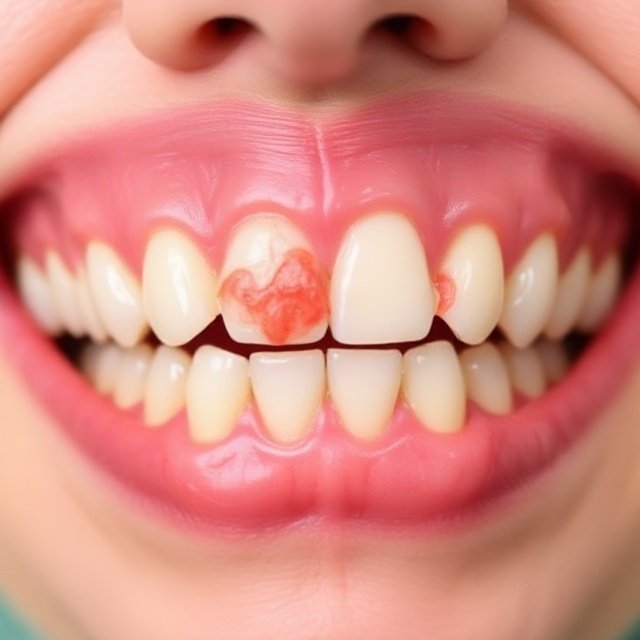
Periodontal disease starts with plaque buildup, a sticky biofilm of bacteria on teeth surfaces. If untreated, it progresses from mild gingivitis (gum inflammation) to periodontitis, where bone and soft tissues are destroyed.
Key causes include:
- Poor oral hygiene
- Smoking and tobacco use
- Systemic conditions (e.g., diabetes)
- Genetic predisposition
Common symptoms:
- Swollen, bleeding gums
- Persistent bad breath
- Loose teeth
- Gum recession
Globally, the World Health Organization (WHO) reports that severe periodontal disease affects about 19% of adults aged 35–44, making it a public health concern.
The Rising Interest in Plant-Based Therapeutics
Modern dentistry traditionally relies on antibiotics and antiseptic mouthwashes to control periodontal pathogens. However, antibiotic resistance, side effects, and long-term safety concerns have fueled interest in phytotherapy—the use of plant-derived compounds for treatment.
Advantages of plant-derived compounds include:
- Natural origin with fewer side effects
- Synergistic antimicrobial and anti-inflammatory actions
- Biocompatibility with oral tissues
Researchers now focus on polyphenols, flavonoids, alkaloids, and terpenoids—phytochemicals proven to fight oral pathogens and reduce inflammation.
Key Research Findings: How Plant-Derived Compounds Fight Periodontal Disease
Multiple studies have confirmed the dual benefits of plant compounds:
- Antimicrobial Action: Plant-derived agents inhibit the growth of periodontal pathogens like Porphyromonas gingivalis and Aggregatibacter actinomycetemcomitans.
- Anti-Inflammatory Effects: They suppress pro-inflammatory cytokines, preventing tissue destruction.
For instance, a 2023 study in the Journal of Periodontology found that polyphenols from green tea significantly reduced gum pocket depth and inflammatory markers in patients with periodontitis.
Antimicrobial Effects Explained
Plant compounds disrupt bacterial membranes, inhibit biofilm formation, and block bacterial enzymes essential for survival.
Examples:
- Curcumin damages bacterial cell walls.
- Green tea catechins prevent plaque biofilm maturation.
Anti-inflammatory Properties: Reducing Gum Swelling and Tissue Damage
Inflammation in periodontal disease causes tissue and bone loss. Plant-derived agents reduce this by:
- Lowering TNF-alpha and IL-6 levels (inflammatory mediators)
- Promoting antioxidant defense in gum tissues
This results in less swelling, bleeding, and bone resorption.
Top 5 Plant-Derived Compounds Under Investigation
Here are five promising compounds backed by scientific research:
Curcumin: Nature’s Golden Healer
Derived from turmeric (Curcuma longa), curcumin shows:
- Antibacterial properties against oral pathogens
- Anti-inflammatory effects reducing gum swelling
A randomized clinical trial showed curcumin mouthwash performed comparably to chlorhexidine, a standard dental antiseptic.
Green Tea Polyphenols: The Antioxidant Powerhouse
Green tea (Camellia sinensis) contains catechins, powerful antioxidants that:
- Inhibit bacterial enzymes
- Prevent plaque formation
- Neutralize free radicals causing tissue damage
Daily green tea consumption correlates with better periodontal health in multiple population studies.
Aloe Vera: Soothing and Healing Properties
Aloe vera gel provides:
- Wound healing
- Anti-inflammatory effects
- Moisture retention for oral tissues
Clinical trials show aloe vera mouthwash reduces gingival bleeding and plaque scores effectively.
Cranberry Extract: Preventing Bacterial Adhesion
Cranberries contain proanthocyanidins that prevent bacterial adhesion to teeth surfaces, reducing plaque biofilm development.
This mechanism helps in early prevention of periodontal disease progression.
Licorice Root Extract: Immune Modulation Effects
Licorice root (Glycyrrhiza glabra) exhibits:
- Anti-inflammatory activity
- Immune modulation to control excessive immune response
It reduces gum inflammation while supporting tissue healing.
Clinical Studies and Human Trials: Evidence-Based Insights
Recent randomized controlled trials (RCTs) confirm that plant-derived formulations—gels, mouthwashes, and varnishes—show significant improvement in:
- Bleeding index
- Plaque index
- Pocket depth reduction
For example, Journal of Clinical Periodontology reported a 40% reduction in plaque scores after 6 weeks of using green tea mouthwash.
Integration with Modern Dentistry: Combining Nature and Science
Dentists increasingly integrate plant-based agents into professional care via:
- Topical gels applied post-scaling
- Herbal toothpastes for home care
- Biodegradable varnishes releasing plant compounds slowly
This combination approach merges traditional phytotherapy with modern dental techniques.
Potential Side Effects and Safety Considerations
While generally safe, plant-derived agents may cause:
- Mild allergic reactions in sensitive individuals
- Gastrointestinal upset if swallowed in excess
Proper dosing and professional guidance ensure maximum benefits with minimal risks.
Future Perspectives: The Role of Phytotherapy in Oral Care
With growing evidence, phytotherapy could become a mainstream adjunct in periodontal care. Future research aims to develop:
- Nano-formulations for better delivery
- Standardized extracts ensuring consistent potency
- Personalized oral care plans using plant-based therapeutics
Conclusion: The Way Forward for Natural Periodontal Disease Treatment
Plant-derived compounds offer safe, effective, and eco-friendly solutions for periodontal health. Backed by growing clinical evidence, they promise a future where nature and modern dentistry work hand in hand to combat gum disease sustainably.
Frequently Asked Questions (FAQs)
Q1: Can plant-derived compounds completely replace antibiotics in periodontal care?
A: Not yet. They serve as adjunct therapies, reducing bacterial load and inflammation, but antibiotics remain essential for severe infections.
Q2: Are herbal mouthwashes as effective as chemical ones?
A: Clinical trials show herbal rinses like curcumin and green tea can be nearly as effective as chlorhexidine with fewer side effects.
Q3: How long before I notice improvements in gum health using plant-derived products?
A: Typically, 4–6 weeks of regular use shows noticeable reduction in inflammation and bleeding.
Q4: Are these products safe for children and pregnant women?
A: Most are safe, but always consult a dentist or physician before use in sensitive populations.
Q5: Can I grow these medicinal plants at home for oral care?
A: Yes, plants like aloe vera and green tea can be home-grown, but professional formulations ensure standardized dosage.
Q6: Where can I find research-backed herbal dental products?
A: Look for brands citing clinical studies and certifications on product labels or visit PubMed for scientific references.