Introduction: A New Era in Whitening Technology
A radiant, confident smile has always been a universal symbol of health, beauty, and success. Over the past decade, whitening technology has evolved dramatically, bringing forth innovative solutions that are safer, faster, and more effective than ever before. From professional in-office treatments to smart AI-driven whitening devices, the landscape of dental aesthetics is undergoing a remarkable transformation.
This comprehensive guide dives deep into 15 groundbreaking advancements in whitening technology, exploring how science, innovation, and user-friendly designs are changing the way we approach smile enhancement. Whether you’re curious about the latest LED whitening systems, natural whitening agents, or the future of nanotechnology in dental care, this article covers it all — in a formal yet easy-to-digest manner that even a Grade 7 reader can follow.
The Science Behind Whitening Technology
Teeth whitening works primarily by breaking down chromogens — molecules responsible for tooth discoloration — on the enamel surface. Modern whitening agents typically use hydrogen peroxide or carbamide peroxide, releasing oxygen radicals that penetrate enamel pores and break apart stains.
Key points include:
- Chemical action: Oxygen radicals lighten stains without damaging enamel structure.
- Light activation: Some systems use laser or LED light to accelerate the reaction.
- pH balance: Safe formulations maintain neutral pH to minimize tooth sensitivity.
Recent studies have revealed that maintaining a controlled concentration of whitening agents ensures maximum efficacy with minimal side effects. This explains the growing demand for professional-grade systems that blend safety with impressive results.
Laser Teeth Whitening Advances
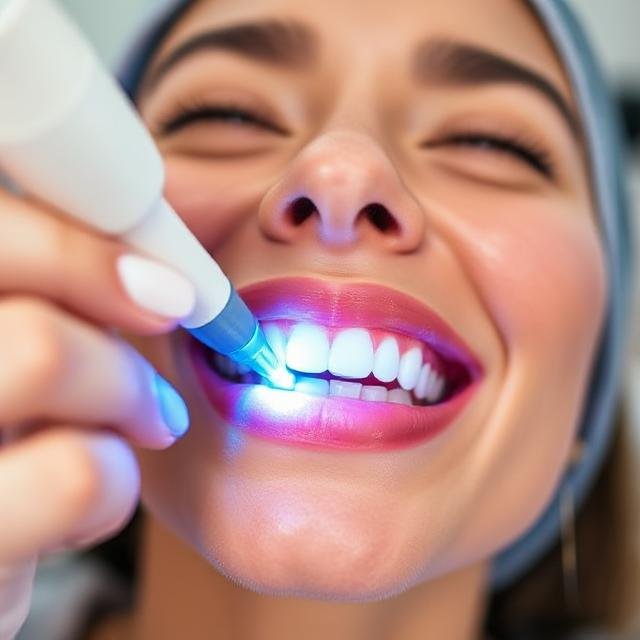
Laser whitening remains the gold standard in cosmetic dentistry for achieving rapid, long-lasting results.
How it works:
- A whitening gel containing peroxide is applied to the teeth.
- A dental laser activates the gel, speeding up stain breakdown.
- Patients typically see results up to 8 shades lighter in a single session.
Pros:
- Immediate results
- Precision targeting for stubborn stains
- Minimally invasive
Cons:
- Higher cost compared to at-home kits
- May require follow-up sessions for maintenance
With improvements in laser wavelength technology and cooling mechanisms, modern systems significantly reduce discomfort while delivering predictable whitening outcomes.
LED Whitening Systems: A New Era
LED technology has revolutionized at-home whitening by offering convenience without compromising safety.
Key features:
- Blue LED light activates the whitening gel efficiently.
- Portable, USB-chargeable kits enable users to whiten anytime, anywhere.
- Studies show up to 4 shades improvement in as little as one week.
Comparisons between LED vs laser systems reveal that while lasers remain more potent, LED systems strike a balance between affordability and effectiveness, making them popular for routine maintenance.
Whitening Strips: Are They Still Relevant?
Despite newer technologies, whitening strips remain a best-seller due to their:
- Ease of use
- Low cost
- Moderate results within 10–14 days
Modern strips now incorporate enamel-safe ingredients and anti-sensitivity formulations, addressing early criticisms of gum irritation and uneven whitening.
Whitening Toothpastes: Myth or Reality?
Whitening toothpastes often spark debate. While they can’t change intrinsic tooth color, they excel at:
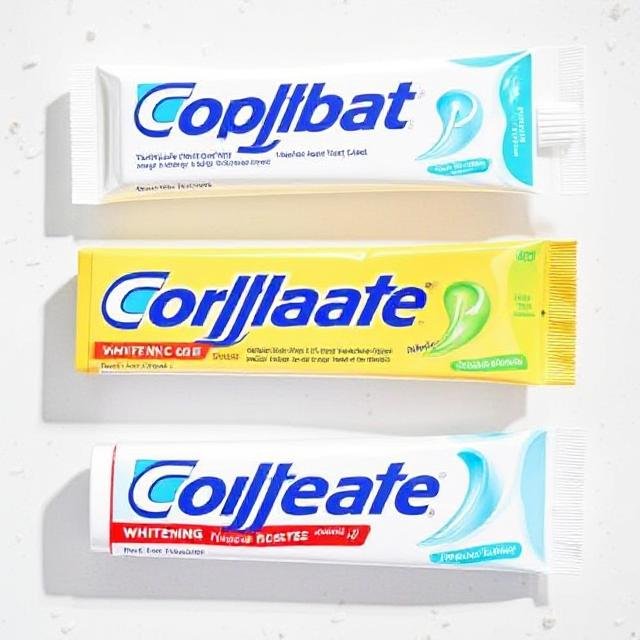
- Removing surface stains
- Preventing new discoloration
- Supporting professional whitening results
Ingredients like silica abrasives and fluoride help maintain enamel health while offering cosmetic benefits over time.
Natural & Organic Whitening Agents
The demand for eco-friendly, chemical-free alternatives has led to the rise of:
- Coconut oil pulling (antimicrobial properties)
- Activated charcoal (adsorption of surface stains)
- Baking soda (mild abrasive action)
While promising, these methods work best as preventive measures rather than standalone whitening treatments.
Smart Whitening Devices & AI Integration
Emerging AI-powered whitening technology devices analyze:
- Tooth shade
- Sensitivity levels
- Optimal treatment duration
Some systems even connect to mobile apps, offering real-time feedback and reminders for better compliance and improved outcomes.
Professional In-Office Whitening Treatments
Dentists continue to recommend in-office whitening for:
- Predictable results
- Professional supervision
- Customization based on dental history
Advances in gel viscosity and light-assisted technology have reduced treatment times while improving safety.
Whitening for Sensitive Teeth
A major breakthrough in recent years involves potassium nitrate and fluoride additives in whitening gels. These compounds reduce nerve sensitivity, allowing even those with delicate enamel to enjoy safe, pain-free whitening treatments.
Duration & Longevity of Whitening Technology Results
Factors affecting whitening longevity include:
- Diet (coffee, tea, red wine consumption)
- Smoking habits
- Oral hygiene practices
Experts recommend:
- Touch-up treatments every 6–12 months
- Whitening-friendly diets post-treatment
Risks & Safety Considerations
While generally safe, overuse can lead to:
- Enamel demineralization
- Gum irritation
- Tooth sensitivity
Following ADA and FDA guidelines ensures treatments remain within safe peroxide concentration limits.
Global Market Trends in Whitening Technology
The global teeth whitening market is projected to surpass $8 billion by 2030, driven by:
- Rising aesthetic awareness
- Affordable at-home options
- Increased demand in emerging economies
Cost vs. Benefit: Finding the Right Whitening Solution
| Whitening Method | Average Cost | Effectiveness | Maintenance Needed |
|---|---|---|---|
| Laser Whitening | $500–$1,500 | Very High | 6–12 months |
| LED Kits | $100–$300 | Moderate-High | 3–6 months |
| Whitening Strips | $20–$60 | Moderate | 2–4 weeks |
| Whitening Toothpastes | $5–$20 | Low-Moderate | Daily |
Future Innovations in Whitening Technology
Upcoming innovations include:
- Nanoparticles for targeted stain removal
- Biomimetic materials mimicking natural enamel
- Regenerative whitening using stem-cell research
Conclusion: Achieving the Perfect Smile
Whitening technology has entered a golden age, offering safe, effective, and affordable solutions for people worldwide. From AI-powered devices to laser-assisted treatments, the journey toward a brighter smile has never been more exciting.
FAQs on Whitening Technology
Q1. Is whitening safe for everyone?
Yes, when done under professional guidance or using ADA-approved products.
Q2. How long do results last?
Typically 6–12 months with proper oral care.
Q3. Can whitening damage enamel?
Not when products are used correctly and in moderation.
Q4. What’s the fastest whitening method?
Laser whitening offers immediate results in one session.
Q5. Are natural methods effective?
They help maintain brightness but can’t match professional systems.
Q6. How often should whitening be done?
Most experts recommend touch-ups every 6–12 months.