Introduction to Hydrogel Saliva Substitute
Dry mouth, medically known as xerostomia, affects millions of individuals worldwide, leading to discomfort, difficulty in speaking, swallowing, and an increased risk of oral health complications. Traditional solutions, such as mouth sprays and artificial saliva, often provide only temporary relief and require frequent application. Recent advancements in biomedical research have introduced an innovative in-mouth hydrogel system that steadily releases artificial saliva, offering prolonged and effective treatment for dry mouth conditions. This breakthrough represents a significant leap forward in oral healthcare and patient comfort.
Understanding Dry Mouth: Causes and Impact
Dry mouth occurs when salivary glands fail to produce adequate saliva, resulting in symptoms such as persistent dryness, burning sensations, altered taste, and difficulty chewing or swallowing. Common causes include:
- Medications: Antidepressants, antihypertensives, and antihistamines often reduce saliva production.
- Medical Conditions: Diabetes, Sjögren’s syndrome, and certain autoimmune disorders frequently lead to xerostomia.
- Radiation Therapy: Cancer treatments affecting the head and neck region damage salivary glands.
- Aging and Lifestyle Factors: Dehydration, tobacco use, and alcohol consumption exacerbate dry mouth symptoms.
The lack of natural disrupts oral pH balance, increases tooth decay risk, and compromises oral microbial defense, underscoring the need for an effective long-term treatment.
Innovation Behind Hydrogel-Based Saliva Substitute
The newly developed hydrogel substitute represents a cutting-edge biomaterial designed to release moisture gradually within the oral cavity. Unlike conventional artificial saliva sprays that wash away quickly, this hydrogel adheres to the mucosal surfaces of the mouth, delivering controlled, sustained hydration.
Key technological innovations include:
- Biocompatible Polymer Network: Safe for oral tissues and resistant to enzymatic degradation.
- Slow-Release Mechanism: Provides extended moisture retention, reducing the frequency of application.
- Mucoadhesive Properties: Ensures optimal contact with oral surfaces for prolonged effect.
This sophisticated approach significantly improves patient comfort while minimizing disruptions to daily activities.
Composition and Mechanism of Action
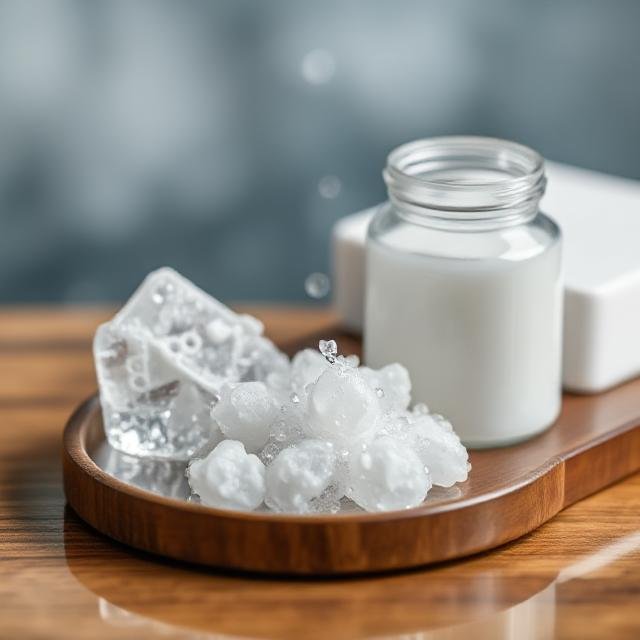
The hydrogel consists of cross-linked hydrophilic polymers capable of absorbing large quantities of water while maintaining structural integrity. Upon application inside the mouth, it gradually releases water molecules and electrolytes, mimicking the natural composition of human saliva.
Key components often include:
- Hydrophilic Polymers: Such as polyvinyl alcohol or polyethylene glycol for water retention.
- Electrolytes and Enzymes: To replicate saliva’s natural protective properties.
- Antimicrobial Agents: To prevent oral infections associated with reduced salivary flow.
The slow diffusion mechanism ensures a continuous moisturizing effect, thereby addressing the root cause of discomfort rather than offering only short-term relief.
Advantages Over Conventional Treatments
Traditional saliva substitutes require frequent reapplication, often leading to patient dissatisfaction. The hydrogel-based system offers several distinct advantages:
- Long-Lasting Hydration: Extended release technology maintains moisture levels for hours.
- Enhanced Oral Comfort: Reduces burning sensations and improves speech and swallowing functions.
- Lower Maintenance: Patients need fewer daily applications, increasing treatment compliance.
- Bioinspired Design: Closely mimics the natural rheological properties of human saliva.
These benefits position hydrogel substitutes as a superior alternative to existing products.
Clinical Applications and Target Patient Groups
The hydrogel substitute is particularly beneficial for individuals suffering from:
- Radiation-Induced Xerostomia: Common in head and neck cancer survivors.
- Autoimmune Disorders: Such as Sjögren’s syndrome, where salivary gland damage is irreversible.
- Polypharmacy-Induced Dry Mouth: Elderly patients on multiple medications often experience chronic xerostomia.
Furthermore, this technology holds potential for preventive oral care in patients at risk of dental caries and oral infections due to reduced saliva flow.
Recent Clinical Research and Findings
Recent studies have demonstrated the efficacy and safety of hydrogel-based saliva substitutes. Clinical trials reported:
- Improved Patient Comfort Scores: Significant reduction in dryness-related discomfort.
- Enhanced Oral Health Markers: Lower incidence of dental caries and mucosal lesions.
- Minimal Adverse Effects: Biocompatible materials ensured excellent safety profiles.
Researchers highlight that long-term adherence and patient satisfaction rates were notably higher compared to conventional saliva substitutes.
Future Prospects and Innovations
Ongoing research aims to integrate bioactive components such as growth factors, peptides, and probiotics into the hydrogel matrix to further improve oral health outcomes. Future developments may include:
- Smart Hydrogels: Responsive to pH or temperature changes for adaptive release mechanisms.
- Nanotechnology Integration: For enhanced mucoadhesion and prolonged hydration effects.
- Customized Formulations: Tailored to individual patient needs based on salivary flow analysis.
These innovations are expected to revolutionize oral health management for patients suffering from chronic dry mouth conditions.
Comparative Analysis with Existing Therapies
| Treatment Type | Duration of Relief | Application Frequency | Bioactivity | Patient Compliance |
|---|---|---|---|---|
| Conventional Saliva Sprays | 15–30 minutes | Multiple times daily | Limited | Moderate |
| Oral Rinses | 30–60 minutes | 3–5 times daily | Low | Moderate |
| Hydrogel Saliva Substitute | 3–6 hours or longer | 1–2 times daily | High | High |
The comparative data clearly indicate the superior performance of hydrogel-based solutions in terms of efficacy, convenience, and patient adherence.
Manufacturing and Regulatory Considerations
Producing a safe and effective hydrogel saliva substitute requires adherence to Good Manufacturing Practices (GMP) and compliance with regulatory guidelines for medical devices and oral healthcare products. Key considerations include:
- Sterility Assurance: Preventing microbial contamination.
- Biocompatibility Testing: Ensuring no adverse tissue reactions occur.
- Stability Studies: Maintaining product integrity under various storage conditions.
Regulatory approval pathways typically involve clinical safety data, toxicological evaluations, and efficacy demonstrations before commercialization.
Economic and Market Potential
With the global incidence of xerostomia on the rise, particularly among aging populations and cancer survivors, the market potential for hydrogel saliva substitutes is substantial. Analysts project significant growth driven by:
- Increasing prevalence of chronic health conditions affecting salivary gland function.
- Rising demand for patient-centric oral healthcare solutions.
- Technological advancements enabling cost-effective large-scale production.
This market expansion presents lucrative opportunities for pharmaceutical companies, oral care manufacturers, and biomedical startups.
Conclusion
The development of hydrogel saliva substitutes marks a transformative milestone in the management of dry mouth conditions. By offering long-lasting moisture retention, improved patient comfort, and advanced bioinspired design, this technology addresses the limitations of traditional treatments. As research progresses and innovations emerge, hydrogel-based solutions are poised to become the gold standard for xerostomia treatment worldwide.