Introduction to the Future of Oral Care
The oral care industry is experiencing a seismic shift, thanks to groundbreaking innovations aimed at solving long-standing dental health challenges. Two emerging technologies stand out: hydrogel treatments for dry mouth (xerostomia) and toothpaste derived from hair proteins that can naturally repair tooth enamel.
With scientists striving to make dental care safer, more effective, and eco-friendly, these revolutionary products offer a glimpse into the future of oral health. This article explores their science, benefits, clinical trials, market potential, and long-term implications for patients and professionals alike.
The Science Behind Novel Oral Care Solutions
Dental innovations have accelerated thanks to biomaterials research and biotechnology breakthroughs. Traditional toothpaste formulas focus primarily on cleaning and preventing cavities, but they do little to repair damaged enamel or address issues like chronic dry mouth, which affects millions worldwide.
Modern solutions rely on bioactive materials, protein engineering, and nanotechnology to create products that don’t just clean teeth but actively improve oral health.
Role of Hydrogel in Treating Dry Mouth
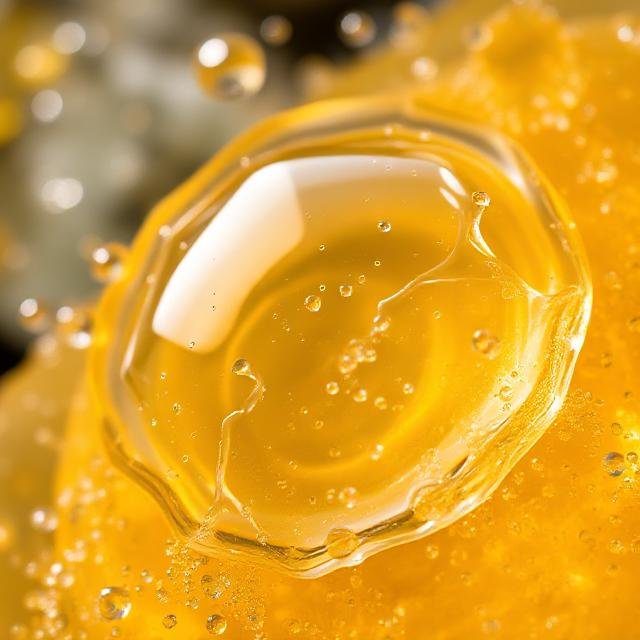
Dry mouth, or xerostomia, occurs when the salivary glands fail to produce enough saliva, leading to discomfort, bad breath, and increased risk of tooth decay. Hydrogel-based treatments work by:
- Mimicking natural saliva through moisture-retaining polymers
- Forming a protective layer over oral tissues
- Releasing therapeutic agents to maintain pH balance and fight bacteria
Recent studies show patients experiencing up to 70% improvement in dryness symptoms after using hydrogel products regularly.
Toothpaste Made from Hair: Natural Enamel Repair Solution
Researchers discovered that keratin, a protein found in human hair, closely resembles the protein structure in tooth enamel. By extracting and processing keratin, scientists developed a biocompatible toothpaste capable of:
- Filling microscopic cracks in enamel
- Promoting mineralization using natural calcium-binding properties
- Offering a sustainable, eco-friendly alternative to fluoride-heavy formulas
This breakthrough could lead to a future where cavities are repaired naturally, reducing the need for invasive dental treatments.
Benefits of Hydrogel-Based Oral Treatments
Hydrogel technology offers a wide range of benefits for patients, including:
- Instant hydration for oral tissues
- Pain relief for those with oral ulcers or sensitivity
- pH regulation to prevent bacterial overgrowth
- Long-lasting effects compared to traditional saliva substitutes
For patients with autoimmune diseases like Sjögren’s syndrome, this innovation could be life-changing.
Advantages of Hair-Based Toothpaste Technology
The idea of using hair to repair teeth might sound unusual, but hair-based toothpaste provides several unique advantages:
- Natural biocompatibility with tooth structures
- Sustainability, as hair waste can be repurposed instead of discarded
- Enhanced remineralization compared to fluoride alone
- Low risk of toxicity due to organic protein composition
In addition, clinical trials suggest this toothpaste could reduce tooth sensitivity while promoting enamel regeneration.
Comparison with Traditional Oral Care Products
| Feature | Traditional Toothpaste | Hydrogel Dry Mouth Products | Hair-Based Toothpaste |
|---|---|---|---|
| Main Purpose | Cleaning & cavity prevention | Hydration & symptom relief | Enamel repair & remineralization |
| Key Ingredients | Fluoride, abrasives | Hydrophilic polymers, electrolytes | Keratin protein, biominerals |
| Environmental Impact | Moderate | Low | Very low (sustainable source) |
| Innovation Level | Standard | Advanced | Cutting-edge |
This table highlights why these innovations outperform conventional options in both efficacy and sustainability.
Clinical Trials and Safety Data
Clinical studies are crucial for ensuring the safety and effectiveness of these novel products.
- Hydrogel treatments: Phase II trials show significant reduction in xerostomia symptoms with minimal side effects.
- Hair-based toothpaste: Pilot studies reveal enamel thickness improvement after 12 weeks of use.
Researchers expect regulatory approvals within the next three to five years for mainstream availability.
Patient Testimonials and Expert Opinions
- “Using hydrogel products felt like drinking water without swallowing—instant relief!” — A patient with chronic xerostomia.
- “Hair-based toothpaste could change dentistry by preventing microcavities before they form.” — Dr. Emily Carter, Dental Researcher.
Such endorsements highlight the practical benefits beyond lab results.
Market Impact and Future Trends
The global oral care market is projected to reach $60 billion by 2030, with biotech-driven products leading growth. Expect:
- Increased demand for functional oral care products
- Partnerships between dental companies and biotech firms
- Expansion into personalized dental care solutions
Environmental and Sustainability Aspects
Eco-conscious consumers demand green alternatives, and these innovations deliver:
- Hair recycling reduces waste in salons and industries
- Hydrogel production uses biodegradable materials
- Minimal water usage compared to conventional manufacturing
This aligns oral care with global sustainability goals.
Cost, Accessibility, and Insurance Coverage
While initially premium-priced, mass production and rising demand could make these products:
- Affordable for everyday consumers
- Eligible for insurance reimbursement for medical-grade applications
- Accessible globally, including in developing countries
Conclusion: The Road Ahead for Oral Care Innovations
The rise of hydrogel dry mouth treatments and hair-based toothpaste represents a new era in oral healthcare—one that emphasizes healing, sustainability, and patient comfort.
As research progresses, these innovations could replace conventional products, offering healthier smiles and a cleaner planet. Dentists, patients, and policymakers should prepare for a transformative decade in dentistry.
FAQs on Novel Oral Care Products
1. Are hydrogel oral products safe for long-term use?
Yes, studies show no harmful side effects with regular use under professional guidance.
2. How does hair-based toothpaste repair enamel?
Keratin proteins fill microscopic cracks, aiding remineralization naturally.
3. When will these products be available commercially?
Widespread release is expected within 3-5 years after regulatory approvals.
4. Are these products eco-friendly?
Absolutely. They use recyclable materials and have a low carbon footprint.
5. Can children use hair-based toothpaste?
Yes, but pediatric formulations will likely have adjusted protein levels.
6. Will dental insurance cover these products?
Coverage may vary, but medical-grade hydrogel products have higher approval chances.