Introduction: What Is Cosmetic Dentistry and Why It Matters
Cosmetic dentistry secrets has revolutionized the way people perceive dental care. Gone are the days when dental visits were only about cavities or extractions. Today, dental treatments focus on functionality and aesthetics.
Cosmetic dentistry refers to dental procedures designed to enhance the appearance of teeth, gums, and overall smile. Whether it’s correcting discoloration, closing gaps, or reshaping uneven teeth, this branch of dentistry combines art and science to give you a confident, radiant smile.
Modern dental cosmetic incorporates advanced technologies like digital smile design, laser dentistry, and 3D imaging, ensuring precision and patient comfort.
Benefits of Cosmetic Dentistry for Oral Health and Confidence
While the primary goal of dental cosmetic is improving appearance, its benefits go far beyond aesthetics:
- Boosted Self-Confidence: A bright, aligned smile can make you feel more approachable and self-assured.
- Improved Oral Functionality: Procedures like implants restore chewing ability and speech clarity.
- Enhanced Oral Health: Correcting alignment or replacing damaged teeth reduces the risk of decay and gum disease.
- Youthful Appearance: A whiter, straighter smile often gives a rejuvenated look.
Cosmetic dentistry doesn’t just improve smiles—it improves lives.
Common Dental Cosmetic Procedures
Let’s break down the most popular procedures and how they can transform your smile:
Teeth Whitening: Quick & Effective Solutions
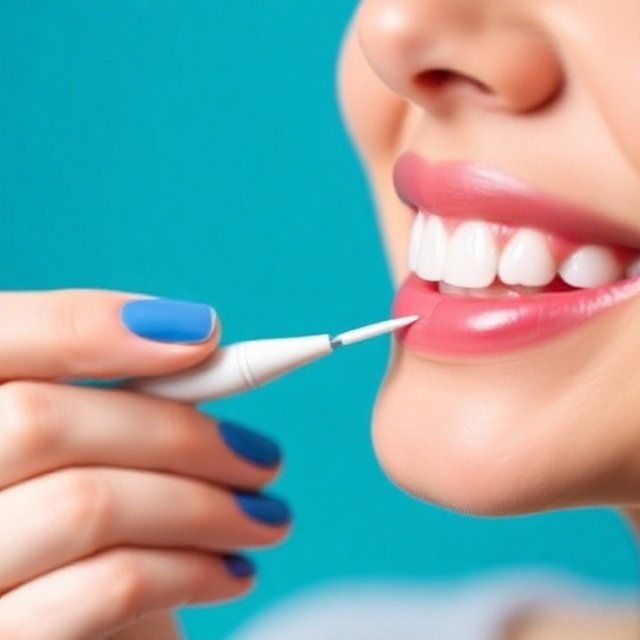
Teeth whitening is the simplest and most affordable cosmetic dental procedure. Using professional-grade whitening gels or laser technology, dentists can remove years of stains caused by coffee, tea, tobacco, or aging.
Options:
- In-office bleaching
- Take-home whitening kits
- Laser whitening for instant results
Dental Veneers: Natural-Looking Smile Fix
Veneers are ultra-thin porcelain or composite shells bonded to the front of teeth. They correct discoloration, chips, gaps, or minor misalignments.
Benefits:
- Long-lasting (10–15 years)
- Resistant to staining
- Natural tooth-like appearance
Dental Implants: Permanent Tooth Replacement
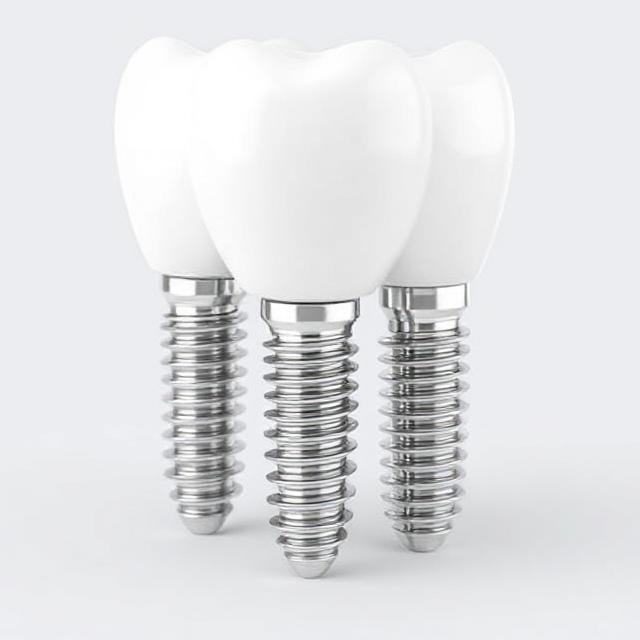
Dental implants are titanium posts surgically placed in the jawbone to replace missing teeth. A crown is then attached, mimicking the look and function of natural teeth.
Advantages:
- Restores bite strength
- Prevents bone loss
- Permanent solution with proper care
Dental Bonding: Affordable & Fast Smile Repair
Dental bonding uses tooth-colored resin to repair chips, cracks, or gaps. It’s cost-effective and requires minimal preparation.
Key Points:
- Completed in one visit
- Less expensive than veneers
- Suitable for minor cosmetic issues
Advanced Technologies in Cosmetic Dentistry
Modern technology has made cosmetic dentistry more precise and comfortable than ever:
- Digital Smile Design (DSD): Allows patients to preview their future smiles.
- Laser Dentistry: Minimally invasive treatments with faster healing times.
- 3D Printing & CAD/CAM: Creates accurate crowns, bridges, and veneers in record time.
These innovations reduce treatment times and improve overall results.
Choosing the Right Cosmetic Dentist
Your smile makeover is only as good as the dentist performing it. Consider the following when selecting a professional:
- Experience & Credentials – Look for memberships in organizations like the American Academy of Cosmetic Dentistry (AACD).
- Before & After Photos – Real patient results build trust.
- Technology Used – Modern tools enhance outcomes and comfort.
- Patient Reviews – Online testimonials reveal real experiences.
External Link: American Academy of Cosmetic Dentistry
Costs of Cosmetic Dentistry: What to Expect
Cosmetic dentistry prices vary depending on the procedure, location, and dentist’s expertise.
| Procedure | Average Cost (USD) | Longevity |
|---|---|---|
| Teeth Whitening | $300–$800 | 6 months–2 years |
| Veneers | $900–$2,500 per tooth | 10–15 years |
| Dental Implants | $3,000–$5,000 per tooth | 20+ years |
| Bonding | $150–$400 per tooth | 5–10 years |
Investing in your smile often brings long-term personal and professional benefits.
Cosmetic Dentistry for Different Age Groups
Cosmetic dentistry isn’t limited to adults.
- Teens: Orthodontics, whitening after braces removal
- Adults: Veneers, implants, bonding
- Seniors: Full-mouth restorations, dentures, implants
Each age group has unique dental needs, and cosmetic dentistry offers tailored solutions.
Risks & Safety Considerations in Cosmetic Dentistry
While generally safe, cosmetic procedures carry some risks:
- Temporary tooth sensitivity (whitening)
- Gum irritation (veneers, bonding)
- Surgical risks (implants)
Choosing experienced dentists and following aftercare instructions minimize complications.
FAQs: Everything You Need to Know
Q1: Is cosmetic dentistry covered by insurance?
A: Most insurance plans consider cosmetic procedures elective, so coverage is rare unless medically necessary.
Q2: How long do cosmetic dental procedures last?
A: Longevity varies—veneers last 10–15 years, implants can last decades with proper care.
Q3: Can I get cosmetic dentistry if I have dental anxiety?
A: Yes, many clinics offer sedation options for anxious patients.
Q4: What’s the most affordable cosmetic dental procedure?
A: Dental bonding is often the least expensive option.
Q5: How do I maintain results after teeth whitening?
A: Avoid staining foods, practice good oral hygiene, and schedule touch-ups as needed.
Q6: Are there non-invasive options for smile improvement?
A: Yes, whitening, bonding, and Invisalign are minimally invasive options.
Conclusion: Achieving the Perfect Smile with Cosmetic Dentistry
Cosmetic dentistry empowers people to smile with confidence and improve their oral health simultaneously. With the right dentist, modern technology, and proper aftercare, your dream smile is within reach.
Whether you want a quick whitening session or a complete smile makeover, cosmetic dentistry offers tailored solutions for every need and budget.
Disclaimer
The content on this dental news blog is intended for general informational purposes only. It should not be considered as dental or medical advice, diagnosis, or treatment. Always seek the guidance of a qualified dental professional or healthcare provider regarding any specific dental concerns or conditions. The authors and publishers of this blog are not responsible for any actions taken based on the information provided.