Introduction to Dental Veneers
A radiant smile is often considered the key to confidence, first impressions, and even social success. But not everyone is born with perfect teeth. Discoloration, minor misalignment, and chips can affect how people feel about their smiles. Dental veneers for smile enhancement have emerged as one of the most reliable cosmetic solutions, offering dramatic results with minimal intervention.
In this guide, we’ll explore what veneers are, why they’re popular, the types available, their procedure, benefits, costs, risks, and aftercare. By the end, you’ll have a clear understanding of whether veneers are the right investment for your smile.
What Are Dental Veneers?
Dental veneers are ultra-thin, custom-made shells that cover the front surface of teeth. Typically made from porcelain or composite resin, veneers mimic the natural translucency of tooth enamel, creating a seamless look.
- Porcelain veneers are stain-resistant, durable, and natural-looking.
- Composite veneers are cost-effective but may stain over time.
- No-prep veneers require little to no tooth reduction, making them a minimally invasive option.
The History and Evolution of Veneers
Interestingly, veneers aren’t new. Hollywood celebrities first used them in the 1920s to perfect their on-screen smiles. Early veneers were temporary and lasted only a few days. Thanks to modern adhesive technology and advanced materials, today’s veneers can last 10–20 years with proper care.
Why Dental Veneers Are Popular for Smile Enhancement
Increasing Demand in Cosmetic Dentistry
According to the American Academy of Cosmetic Dentistry, veneers are among the top requested treatments. People seek them not only for aesthetics but also for functional reasons, such as covering enamel erosion.
Psychological Impact of a Better Smile
Studies show that people with attractive smiles are perceived as more approachable, confident, and successful. Veneers can significantly boost self-esteem, leading to positive changes in personal and professional interactions.
Types of Dental Veneers
Porcelain Veneers
Known for their durability and natural shine, porcelain veneers are highly resistant to stains. They’re ideal for those seeking long-term results.
Composite Veneers
Made from resin, these veneers are applied in a single visit. While affordable, they’re less durable and more prone to staining than porcelain.
No-Prep Veneers
As the name suggests, these require little enamel removal. They’re a less invasive choice but not suitable for all cases.
Choosing the Right Veneer for Your Needs
The choice depends on:
- Budget
- Aesthetic goals
- Dental health
- Longevity expectations
The Dental Veneer Procedure Explained
Initial Consultation and Smile Design
The process begins with an evaluation. Your dentist will examine your teeth, discuss your goals, and even provide digital smile previews.
Tooth Preparation and Impression
A thin layer of enamel (0.3–0.7 mm) may be removed. Then, impressions are taken and sent to a dental lab for custom fabrication.
Temporary Veneers
You may wear temporary veneers while waiting for the permanent ones.
Permanent Veneer Placement
Once ready, the veneers are bonded using strong dental cement and cured with a special light for durability.
Benefits of Dental Veneers
Instant Smile Transformation
Veneers can correct chips, gaps, discoloration, and minor misalignments in just a few visits.
Natural Look and Feel
High-quality porcelain mimics natural enamel, making veneers virtually indistinguishable from real teeth.
Stain Resistance
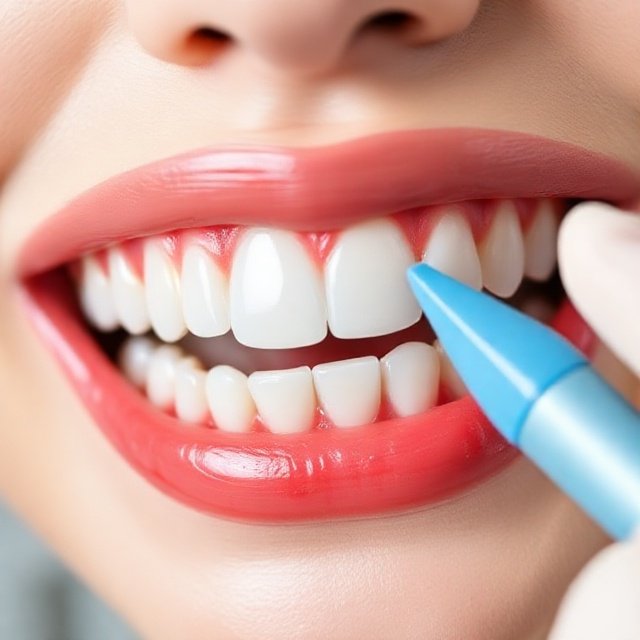
Unlike natural teeth, porcelain veneers resist coffee, wine, and cigarette stains.
Long-Lasting Durability
With proper care, veneers can last 10–20 years.
Minimally Invasive Procedure
Compared to crowns, veneers require less enamel removal, preserving more of your natural tooth.
Potential Risks and Considerations
While veneers are safe, patients should consider:
Tooth Sensitivity Issues
Enamel removal may cause temporary sensitivity to hot or cold.
Veneer Maintenance Requirements
Regular oral hygiene is crucial to prevent gum disease and veneer damage.
Possible Replacement Costs
Though durable, veneers eventually require replacement, adding to long-term costs.
Cost of Dental Veneers
Factors Affecting Cost
- Material (porcelain vs composite)
- Dentist’s expertise
- Location of the clinic
- Number of veneers required
Insurance and Financing Options
Since veneers are cosmetic, insurance rarely covers them. However, many clinics offer financing plans to make treatment more affordable.
Dental Veneers vs Alternatives
Veneers vs Crowns
Crowns cover the entire tooth, while veneers cover only the front. Veneers are less invasive.
Veneers vs Teeth Whitening
Whitening improves natural teeth but cannot fix chips or gaps. Veneers offer a more comprehensive solution.
Veneers vs Orthodontics
Braces fix alignment but take months or years. Veneers provide instant results for minor misalignments.
Caring for Your Veneers
Daily Oral Hygiene
Brush twice a day, floss daily, and use non-abrasive toothpaste.
Foods and Habits to Avoid

- Avoid biting ice or hard candies.
- Limit staining foods like coffee and red wine.
- Quit smoking to extend veneer life.
Regular Dental Check-Ups
Routine visits ensure your veneers and gums remain healthy.
FAQs on Dental Veneers
1. Are veneers painful to get?
No. The procedure is typically painless, performed under local anesthesia.
2. How long do veneers last?
Porcelain veneers last 10–20 years, while composite lasts 5–7 years.
3. Can veneers be whitened?
No. Veneers can’t be bleached, but polishing can restore brightness.
4. Are veneers reversible?
No. Once enamel is removed, it can’t be restored, making veneers permanent.
5. How much do veneers typically cost?
Porcelain veneers range from $900–$2,500 per tooth, while composites cost less.
6. Can veneers fix crooked teeth?
Yes, but only minor misalignments. Severe cases require orthodontics.
Conclusion
Dental veneers for smile enhancement are a transformative cosmetic solution that combines aesthetics with function. They provide instant results, boost confidence, and last for years when properly maintained. While they involve an upfront investment, the long-term benefits often outweigh the costs.