Introduction: Why Whitening Myths Persist
Teeth whitening has become one of the most popular cosmetic dental treatments worldwide. From drugstore whitening strips to professional dental procedures, millions seek a brighter, whiter smile. Yet, countless myths surround whitening—some claiming it damages teeth, others promising instant Hollywood results.
In this comprehensive guide, we debunk the top 15 myths about teeth whitening with scientific facts, expert opinions, and practical advice. By the end, you’ll separate truth from fiction, make informed decisions, and confidently pursue a brighter smile.
Myth 1: Whitening Weakens Teeth
Many believe teeth whitening erodes enamel or makes teeth brittle.
Understanding Tooth Enamel and Whitening Agents
Professional whitening products typically use hydrogen peroxide or carbamide peroxide to break down stains. Studies confirm that when used correctly under dental guidance, whitening does not weaken enamel. Mild sensitivity may occur, but enamel structure remains intact.
Dentists often recommend fluoride treatments post-whitening to strengthen teeth further and reduce any temporary sensitivity.
Myth 2: All Whitening Products Work the Same
Not all whitening treatments are created equal.
Over-the-Counter vs Professional Whitening
- Over-the-counter products: Affordable but lower peroxide concentration; results take longer.
- Professional whitening: Higher-strength formulas applied safely by dentists; delivers faster, longer-lasting results.
Dentists can also tailor whitening strength to your needs, something drugstore kits can’t provide.
Myth 3: Whitening Results Are Permanent
Unfortunately, teeth whitening isn’t a one-time solution.
Factors Affecting Whitening Longevity
- Diet: Coffee, tea, red wine, and smoking stain teeth faster.
- Oral hygiene: Brushing and flossing habits matter.
- Whitening maintenance: Occasional touch-ups every 6–12 months help maintain brightness.
With care, professional results can last a year or longer.
Myth 4: Whitening Is Painful and Damaging
Painful whitening experiences are often exaggerated.
Sensitivity vs Actual Harm: The Science Explained
Some people feel mild sensitivity post-whitening, but this doesn’t equal permanent damage. Dentists use desensitizing gels and customized trays to minimize discomfort. Over-the-counter misuse, however, can cause irritation, reinforcing this myth.
Myth 5: Natural Remedies Work Just as Well as Professional Whitening
DIY trends claim baking soda, lemon juice, or charcoal work miracles.
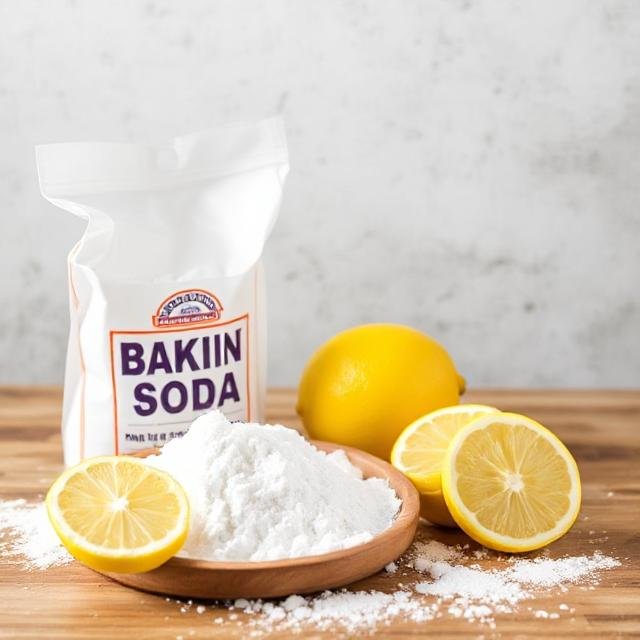
Baking Soda, Lemon Juice & Other DIY Methods: Do They Help or Hurt?
- Baking soda: Mild abrasive, but excessive use can scratch enamel.
- Lemon juice: Highly acidic; prolonged exposure weakens enamel.
- Charcoal: Minimal evidence supports whitening benefits; may wear enamel with frequent use.
Professional treatments remain safer and more effective.
Myth 6: Only Yellow Teeth Benefit from Whitening
Whitening can help more than yellow discoloration.
Staining Types: Extrinsic vs Intrinsic
- Extrinsic stains: On the surface (coffee, tea, smoking); respond well to whitening.
- Intrinsic stains: Inside the tooth (medications, genetics); require professional evaluation.
Dentists may recommend veneers or bonding for severe intrinsic stains.
Myth 7: Whitening Strips Work Instantly
Many assume whitening strips give immediate Hollywood smiles.
Expected Timelines for Visible Results
- Whitening strips: Visible change in 7–14 days with daily use.
- Professional whitening: Noticeable difference in one session.
Patience and consistency matter for effective whitening.
Myth 8: Whitening Is Unsafe During Pregnancy or Nursing
Safety concerns often arise for pregnant or breastfeeding women.

What Science Actually Says About Whitening & Pregnancy Safety
Research lacks definitive evidence on whitening risks during pregnancy. Most dentists advise postponing cosmetic whitening until after breastfeeding to err on the side of caution.
Myth 9: Whitening Is Too Expensive for Most People
Professional whitening costs have decreased significantly.
Affordable Whitening Options Available Today
- In-office treatments: $300–$800, lasting up to a year.
- At-home dentist kits: $100–$300, convenient and effective.
- OTC strips/gels: $20–$50, suitable for mild stains.
Competition has made whitening more accessible than ever.
Myth 10: Professional Whitening Is Always Better Than At-Home Kits
This myth oversimplifies reality.
Comparing Effectiveness, Cost, and Convenience
- Professional treatments: Quick, effective, safe, but costlier.
- At-home kits: Affordable, gradual results, ideal for maintenance.
The best choice depends on budget, stain severity, and time availability.
Myth 11: Teeth Whitening Causes Cancer
A common fear lacks scientific support.
What Research Says About Hydrogen Peroxide and Oral Health
Studies from the American Dental Association confirm hydrogen peroxide at recommended levels is safe and not linked to cancer development.
Myth 12: Whitening Works on Dental Restorations Like Crowns and Veneers
Whitening agents don’t change porcelain or composite materials.
How Restorations React Differently to Whitening Agents
Teeth may whiten, but crowns, veneers, and fillings remain the same shade, sometimes creating color mismatches.
Myth 13: Whitening Toothpaste Alone Will Dramatically Whiten Teeth
Whitening toothpaste mainly prevents future stains.
What Whitening Toothpaste Actually Does
Most whitening toothpaste removes surface stains but rarely alters the natural tooth color dramatically.
Myth 14: You Can Whiten Teeth Too Frequently Without Issues
Overusing whitening products carries risks.
Risks of Overusing Whitening Products
Excessive whitening causes:
- Increased tooth sensitivity
- Gum irritation
- Enamel surface wear
Dentists recommend waiting at least six months between professional treatments.
Myth 15: Teeth Whitening Damages Enamel Permanently
Extensive studies confirm enamel remains chemically stable after professional whitening.
Clinical Evidence About Enamel Safety
Temporary sensitivity resolves within days; no permanent structural harm occurs when products are used correctly.
FAQs About Teeth Whitening Myths & Facts
Q1: Can whitening damage my gums?
A: Misused OTC products may irritate gums, but professional treatments protect soft tissues effectively.
Q2: How long does whitening last?
A: With proper care, professional results last 6–12 months or longer.
Q3: Can teenagers whiten their teeth?
A: Dentists usually recommend waiting until age 16–18 to avoid sensitivity issues.
Q4: Are whitening pens effective?
A: Pens offer quick touch-ups but don’t replace full treatments.
Q5: Do whitening lights improve results?
A: LED lights accelerate peroxide breakdown, reducing treatment time.
Q6: Where can I learn more about whitening safety?
A: The American Dental Association offers reliable resources at ADA.org.
Conclusion: Whitening Myths Debunked for a Brighter Future
Teeth whitening myths often cause unnecessary fear or unrealistic expectations. Now you know: whitening doesn’t damage enamel, results aren’t permanent without maintenance, and professional guidance ensures safety and effectiveness.
With evidence-based facts, you can choose the right whitening method for your budget, lifestyle, and goals—achieving a brighter smile confidently and safely.
Disclaimer
The content on this dental news blog is intended for general informational purposes only. It should not be considered as dental or medical advice, diagnosis, or treatment. Always seek the guidance of a qualified dental professional or healthcare provider regarding any specific dental concerns or conditions. The authors and publishers of this blog are not responsible for any actions taken based on the information provided.