Introduction
A bright, confident smile can change everything. But for individuals with special needs, oral care—and specifically teeth whitening—often presents unique challenges. Whether due to sensory sensitivities, physical limitations, or medical conditions, conventional whitening approaches might not always be practical or safe.
The goal of this guide is to provide comprehensive, expert-backed, and compassionate information on safe, effective whitening solutions tailored for individuals with special needs. With the right strategies, every smile—no matter the circumstances—can shine brighter.
Understanding Dental Whitening for Special Needs
Dental whitening involves removing stains and discoloration from teeth to improve their appearance. For individuals with special needs, this process requires customization to address unique health, behavioral, or mobility concerns.
Key points to consider:
- Medical conditions: Some medications cause tooth discoloration.
- Behavioral challenges: Cognitive or sensory issues may affect oral hygiene habits.
- Accessibility barriers: Limited access to specialized dental care in some communities.
Why it’s different: Traditional teeth whitening treatments assume a standard care protocol. Special needs dentistry, on the other hand, prioritizes adaptability, safety, and comfort.
Common Dental Challenges in Individuals with Special Needs
People with special needs often face oral health obstacles that go beyond aesthetics:
- Sensory sensitivities: Bright lights, tastes, or textures during treatment may cause distress.
- Motor difficulties: Limited dexterity can hinder proper brushing and flossing.
- Medication side effects: Certain drugs cause tooth discoloration or dry mouth.
- Dietary factors: Some individuals rely on soft or processed foods, increasing plaque buildup risk.
Recognizing these challenges allows caregivers and dental professionals to create personalized teeth whitening solutions that are safe and effective.
Why Teeth Whitening Matters for Special Needs Populations
Teeth whitening is about more than appearance—it contributes to:
- Health benefits: Better oral hygiene reduces risk of decay and gum disease.
- Psychological well-being: A brighter smile boosts self-esteem.
- Social confidence: People are more likely to engage socially when they feel good about their smile.
When caregivers and dentists collaborate, whitening treatments can improve overall quality of life for individuals with special needs.
Safe Whitening Methods Recommended by Experts
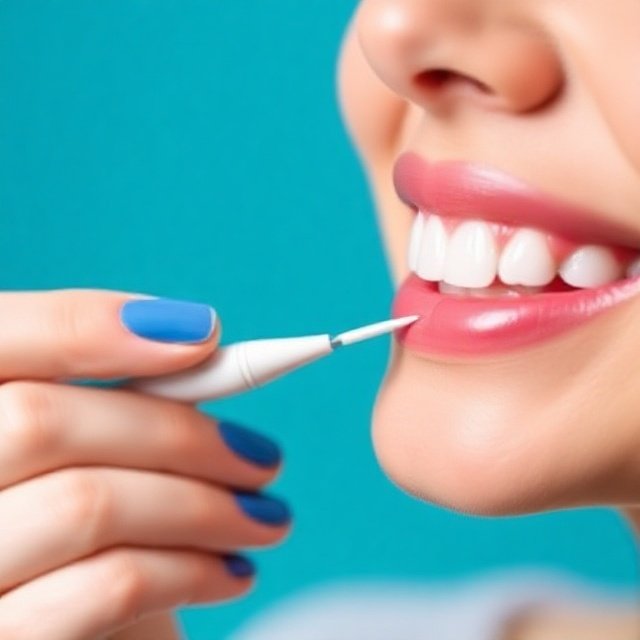
Experts emphasize safety first when it comes to whitening for special needs. Common approaches include:
- Professional in-office whitening: Supervised by a dentist, ensuring controlled exposure to whitening agents.
- Custom take-home trays: Dentist-designed trays with mild whitening gels for gradual results.
- Over-the-counter whitening strips: Recommended only if safe for the individual’s condition and approved by a dentist.
- Whitening toothpastes: Low-risk options for minor surface stains.
Role of Dental Professionals in Treatment Planning
Dental professionals evaluate:
- Medical history
- Behavioral needs
- Oral health status
They may recommend sedation dentistry or behavioral support techniques if necessary.
Whitening Strategies for Children with Special Needs
Children often need gentle, parent-assisted whitening methods:
- Fluoride treatments to strengthen enamel.
- Whitening toothpastes for mild discoloration.
- Parent-guided brushing routines using adaptive toothbrushes.
- Dietary adjustments to reduce stain-causing foods.
Early dental visits ensure children receive positive oral care experiences, minimizing fear and discomfort.
Whitening Approaches for Adults with Special Needs
Adults may need more advanced whitening options combined with preventive care:
- Custom trays with low-concentration whitening gel for gradual results.
- In-office laser whitening for deeper stains, if tolerated.
- Caregiver involvement in maintaining daily oral hygiene routines.
Consistency is key—long-term habits matter more than quick fixes.

Technology Innovations for Special Needs Dentistry
Technology has transformed dental care accessibility:
- AI-powered tools analyze oral health remotely.
- Tele-dentistry connects patients with specialists virtually.
- Smart toothbrushes with sensors help caregivers track brushing effectiveness.
- 3D-printed trays ensure customized whitening experiences.
These innovations empower caregivers and patients with convenient, effective solutions tailored to individual needs.
Dietary and Lifestyle Considerations
Diet plays a significant role in tooth discoloration:
- Avoid dark-colored beverages like coffee, tea, and soda.
- Limit sugary foods that cause plaque buildup.
- Incorporate crunchy fruits and vegetables for natural cleansing effects.
- Maintain hydration to reduce dry mouth caused by medications.
Making small dietary adjustments helps preserve whitening results long-term.
Preventive Oral Care Practices
Prevention always beats treatment. Essential practices include:
- Daily brushing with fluoride toothpaste.
- Flossing or water flossers for individuals with dexterity challenges.
- Regular dental checkups for early intervention.
- Desensitizing toothpastes for individuals with sensitive teeth.
Caregivers can use visual schedules or apps to encourage consistency in oral care routines.
Cost and Accessibility of Whitening Treatments
Whitening treatments can be expensive, but options exist:
- Dental insurance may cover part of preventive care.
- Community dental programs often offer reduced-cost services.
- University dental clinics provide treatments by supervised students at lower fees.
- Nonprofits and charities sometimes sponsor dental care for special needs patients.
Exploring these resources helps families access affordable whitening solutions without compromising quality.
Conclusion
A brighter smile is within reach for everyone—including individuals with special needs. By combining safe whitening methods, preventive care, technology innovations, and professional guidance, families and caregivers can help loved ones achieve better oral health and confidence.
Remember, every smile matters, and with the right support, even the toughest challenges can be overcome.
FAQs: Whitening for Special Needs
Q1: Is teeth whitening safe for children with special needs?
Yes, but always under dental supervision using mild, kid-friendly products.
Q2: How often should teeth whitening be done?
Frequency depends on oral health status—usually every 12–24 months under dentist guidance.
Q3: Can medication stains be removed completely?
Some can, but severe stains may need advanced treatments or veneers.
Q4: What’s the easiest whitening method for individuals with sensory sensitivities?
Whitening toothpastes or custom trays with mild gel are often well-tolerated.
Q5: Do electric toothbrushes help with whitening?
Yes, they remove surface stains more effectively than manual brushing.
Q6: Where can caregivers find reliable dental care for special needs?
Check Special Care Dentistry Association for resources and provider directories.