Introduction: What is Dental Varnish?
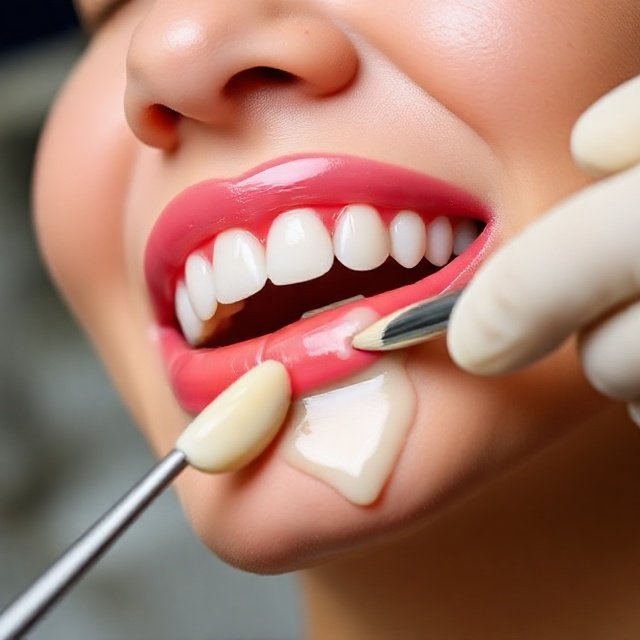
Dental varnish is a fluoride-based preventive dental treatment applied as a thin coating to the tooth surface. Its primary purpose is to strengthen enamel, prevent cavities, and reduce tooth decay, especially among children who are at greater risk of developing early childhood caries (ECC).
Fluoride varnish has been endorsed by the Centers for Disease Control and Prevention (CDC) and the American Academy of Pediatrics (AAP) as a safe, simple, and cost-effective preventive measure for improving children’s oral health. With its quick application process—usually completed in just a few minutes—it is ideal for pediatric settings including dental clinics, pediatric hospitals, and school-based programs.
Historical Evolution of Preventive Dentistry
Preventive dentistry has evolved tremendously over the past century:
- Early 20th century: Fluoride was introduced after researchers noticed communities with naturally fluoridated water had fewer cavities.
- Mid-20th century: Widespread water fluoridation programs reduced caries rates dramatically in many countries.
- 1970s–1990s: Development of fluoride gels, rinses, and toothpastes brought preventive care into homes.
- 2000s–Present: Fluoride varnish became a standard preventive treatment for children due to its safety, ease of use, and long-lasting protective benefits.
Today, dental varnish is regarded as a cornerstone of modern pediatric preventive dentistry.
Why Dental Varnish is a Game-Changer in Pediatric Care
Dental varnish represents a breakthrough for several reasons:
- Ease of application: Can be applied quickly by dentists, pediatricians, and even trained nurses.
- High acceptance among children: It tastes pleasant and doesn’t require drilling or injections.
- Strong scientific backing: Multiple studies confirm its effectiveness in reducing cavities by up to 37–43% in primary teeth.
- Versatility: Useful in both clinical and community health settings, including schools and rural health centers.
Effectiveness Against Early Childhood Caries
Early Childhood Caries (ECC) is one of the most common chronic diseases in children, affecting nearly 23% of preschoolers in the United States alone. Applying fluoride varnish 2–4 times per year has been shown to dramatically reduce ECC incidence, especially among high-risk children.
Safe Application and Minimal Risks
Fluoride varnish is considered extremely safe because:
- Only a small amount is used.
- Children spit out excess fluoride after treatment.
- Application follows strict clinical protocols endorsed by organizations like the CDC and WHO.
Side effects are rare and usually limited to temporary changes in tooth color, which resolve naturally.
Implementation Efforts Across Pediatric Networks
Across the globe, public health officials, dental organizations, and pediatric associations are working together to integrate fluoride varnish into routine child health care.
- Hospitals: Pediatric wards are adopting dental varnish programs for inpatient children.
- Schools: School-based dental sealant and varnish programs reach underserved populations.
- Dental clinics: Many private and public clinics now offer varnish as a standard preventive service.
Role of Public Health Organizations
Key organizations driving implementation include:
- Centers for Disease Control and Prevention (CDC) – Provides training modules for healthcare providers.
- World Health Organization (WHO) – Promotes varnish use in low- and middle-income countries.
- American Academy of Pediatrics (AAP) – Advocates integrating dental care into pediatric well-child visits.
Technological Advancements in Dental Varnish Formulations
Modern dental varnishes offer enhanced fluoride release, better taste, and improved adhesion to tooth surfaces. Some innovations include:
- Xylitol-infused varnishes for added antibacterial benefits.
- Calcium-phosphate technologies that rebuild tooth enamel while preventing decay.
- Flavored varnishes making the experience child-friendly.
Training Dental Professionals for Pediatric Varnish Application
Efforts to train professionals include:
- Continuing education courses for pediatricians and nurses.
- Online training modules developed by dental schools and public health agencies.
- Hands-on workshops ensuring correct technique and safety compliance.
As more healthcare workers learn to apply varnish, access to preventive care increases significantly.
Cost-Effectiveness and Accessibility
Fluoride varnish programs offer exceptional cost-effectiveness compared to restorative treatments:
- Prevention vs. treatment: Filling a cavity costs significantly more than applying varnish.
- Insurance coverage: Many government insurance programs now reimburse fluoride varnish applications.
- Subsidized programs: Rural and underserved communities often receive varnish treatments at low or no cost.
Parental Education and Awareness Campaigns
Parents play a critical role in ensuring children receive preventive care. Awareness campaigns focus on:
- Teaching parents about early childhood oral health.
- Promoting regular dental visits starting at age one.
- Distributing educational materials through schools, clinics, and social media.
Case Studies: Successful Pediatric Varnish Programs
- North Carolina, USA: A statewide program trained pediatricians to apply fluoride varnish during well-child visits, reaching thousands of children annually.
- Scotland’s Childsmile Program: Provides free dental varnish to all schoolchildren, dramatically reducing cavity rates.
- India’s rural initiatives: Mobile dental clinics offer varnish applications in remote villages.
Challenges in Widespread Implementation
While progress is impressive, challenges remain:
- Limited funding in some regions.
- Shortage of trained professionals in rural areas.
- Parental misconceptions about fluoride safety.
Addressing these barriers requires policy reforms, public education, and cross-sector collaboration.
Future Prospects: Toward Universal Preventative Dental Care for Children
Looking ahead, dental varnish may become part of universal preventive healthcare. Researchers are exploring:
- Longer-lasting varnishes reducing application frequency.
- AI-driven risk assessments to identify children needing preventive care most urgently.
- Integration with tele-dentistry for remote consultation and follow-up.
Conclusion: Building a Healthier Future Through Preventative Pediatric Dentistry
Dental varnish is revolutionizing pediatric oral health by offering a safe, cost-effective, and proven method for preventing cavities in children. With increasing adoption in schools, clinics, and hospitals, coupled with parental education and technological innovation, the future of preventive dentistry looks promising.
By making dental varnish part of routine pediatric care, we can reduce oral health disparities, lower treatment costs, and ensure every child has a healthier smile.
AQs About Dental Varnish Use in Pediatric Dentistry
Q1: At what age can children start receiving fluoride varnish?
A: As early as the eruption of the first tooth—typically around six months old.
Q2: How often should dental varnish be applied?
A: Most guidelines recommend 2–4 applications per year for best results.
Q3: Can pediatricians apply fluoride varnish?
A: Yes. Many pediatricians receive training to apply varnish during routine checkups.
Q4: Is fluoride varnish safe if swallowed accidentally?
A: The amount used is very small, so accidental swallowing is rarely harmful.
Q5: Does dental varnish replace brushing and flossing?
A: No. It complements good oral hygiene practices but doesn’t replace them.
Q6: Are there flavored options for children who dislike the taste?
A: Yes, many brands now offer child-friendly flavors like strawberry or bubblegum.