Introduction to Chalky Teeth
A groundbreaking study led by the University of Toronto’s Faculty of Dentistry is shedding light on a prevalent yet underrecognized dental condition known as chalky teeth, or molar-incisor hypomineralization (MIH). This developmental enamel defect affects approximately one in five children worldwide, making it a significant public health concern with long-term implications for oral health and quality of life.
Understanding Chalky Teeth (Molar-Incisor Hypomineralization)
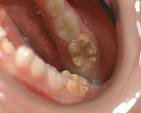
Chalky teeth are characterized by hypomineralized enamel, resulting in tooth surfaces that appear opaque, creamy-white, yellow, or even brown. Unlike healthy enamel, which is highly mineralized and resilient, chalky teeth have weaker, porous structures prone to rapid wear and decay.
Key clinical features include:
- Discoloration: White or yellow-brown patches on affected molars or incisors.
- Sensitivity: Increased susceptibility to pain when exposed to hot, cold, or sweet stimuli.
- Structural Weakness: Enamel fractures easily, leading to early tooth breakdown and cavities.
- Aesthetic Concerns: Visible discoloration on front teeth may affect children’s self-esteem.
Prevalence and Global Impact
The condition affects an estimated 20% of children globally, with prevalence rates varying across regions. Factors influencing these rates include environmental exposures, nutritional status, and healthcare accessibility.
Children with chalky teeth often require extensive dental care early in life, as affected teeth are more prone to decay and infection, leading to higher rates of fillings, crowns, or extractions compared to unaffected peers.
Etiology and Risk Factors
The precise cause of chalky teeth remains unclear, but research points to several potential contributing factors during tooth development:
- Systemic Illnesses: Childhood infections such as respiratory diseases or high fevers during enamel formation stages.
- Nutritional Deficiencies: Inadequate intake of calcium, vitamin D, or other minerals essential for tooth mineralization.
- Environmental Exposures: Possible links to toxins or pollutants interfering with enamel development.
- Genetic Susceptibility: Certain children may have genetic predispositions affecting enamel formation pathways.
Further studies are essential to clarify the relative contribution of these factors and guide preventive interventions.
The University of Toronto Study: Objectives and Methods
The Faculty of Dentistry at the University of Toronto aims to conduct a comprehensive Canadian study focusing on chalky teeth to:
- Assess Prevalence in Canadian Populations: Establish accurate national statistics for better public health planning.
- Identify Causative Factors: Analyze genetic, environmental, and nutritional data to pinpoint risk contributors.
- Develop Preventive Strategies: Create evidence-based recommendations for reducing incidence rates.
- Improve Treatment Protocols: Explore minimally invasive approaches for restoring affected teeth and preventing further damage.
The study integrates clinical examinations, biochemical analyses, and advanced imaging techniques to provide a holistic understanding of the condition.
Challenges in Diagnosis and Treatment
Treating chalky teeth presents unique challenges for dental professionals:
- Hypersensitivity: Children often experience significant discomfort during routine dental procedures.
- Restorative Difficulties: Traditional fillings may not bond well to hypomineralized enamel, leading to early restoration failures.
- High Treatment Burden: Affected teeth frequently require repeated interventions, increasing emotional and financial stress for families.
Developing durable, child-friendly treatment options remains a priority for clinicians and researchers.
Long-Term Implications for Oral Health
If untreated, chalky teeth can lead to:
- Early Tooth Loss: Fragile enamel and recurrent decay may necessitate extractions at a young age.
- Orthodontic Challenges: Loss of molars can disrupt proper dental alignment and bite development.
- Psychosocial Effects: Visible tooth defects may contribute to embarrassment, teasing, or reduced self-confidence in children.
Early identification and management are therefore essential for preventing complications and improving oral health outcomes.
Preventive and Therapeutic Approaches
While definitive prevention strategies await further research, current recommendations focus on:
- Early Dental Screening: Detecting enamel defects before extensive decay develops.
- Topical Fluoride Applications: Strengthening remaining enamel and reducing sensitivity.
- Minimally Invasive Restorations: Using bioactive materials that promote remineralization.
- Parental Education: Teaching families about risk factors, oral hygiene practices, and dietary modifications.
Advancements in biomimetic materials and regenerative dentistry may soon provide more effective long-term solutions.
Conclusion
The University of Toronto’s study on chalky teeth in children represents a critical step toward addressing this widespread developmental dental condition. By investigating its causes, prevalence, and treatment options, researchers aim to reduce the burden of oral disease on affected children and families worldwide.
Through early detection, preventive care, and innovative therapies, the findings from this research could transform clinical approaches and improve oral health outcomes for future generations.