Introduction
A bright, confident smile can change the way you look and feel. Over the last decade, teeth whitening has become one of the most popular cosmetic dental procedures worldwide. But while many focus on achieving a dazzling smile, few stop to consider whitening safety & risks. Are these treatments truly safe? What are the potential dangers? And how do you balance aesthetic goals with oral health?
This guide breaks down the science, safety guidelines, myths, and expert recommendations about teeth whitening. Whether you’re considering professional in-office treatments or at-home whitening kits, you’ll find everything you need to make an informed decision—without putting your oral health at risk.
Understanding Teeth Whitening: A Quick Overview
Teeth whitening is a process designed to lighten the color of your teeth and remove stains or discoloration. Stains can be extrinsic (on the outer enamel layer) or intrinsic (inside the tooth structure). Whitening works primarily on extrinsic stains, though some professional methods can penetrate deeper.
Why People Whiten Their Teeth
- Cosmetic appeal: White teeth are associated with beauty, confidence, and youthfulness.
- Special occasions: Weddings, interviews, or photo sessions often prompt whitening treatments.
- Lifestyle habits: Smoking, coffee, tea, and wine contribute to yellowing teeth.
However, not all whitening treatments are created equal—and that’s where safety considerations come into play.
Why Whitening Safety & Risks Matter
The demand for whiter teeth has led to an explosion of over-the-counter (OTC) products and DIY whitening methods. While many treatments promise quick results, some can cause lasting damage if used incorrectly.
Here’s why understanding safety matters:
- Preventing enamel damage: Enamel loss is irreversible.
- Avoiding sensitivity: Over-whitening can cause nerve irritation.
- Protecting gums: Harsh chemicals can lead to burns or gum recession.
In short, whitening should never compromise your long-term oral health for short-term beauty goals.
Types of Teeth Whitening Methods
Not all whitening methods carry the same risks. Let’s break down the most common approaches:
In-Office Professional Whitening
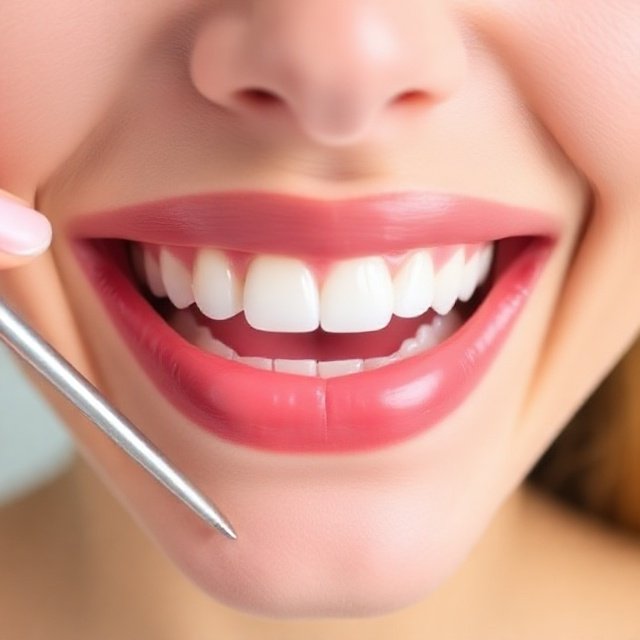
- Process: Dentists apply high-concentration bleaching agents under controlled conditions.
- Pros: Quick, effective, and supervised for safety.
- Cons: Costly and may cause temporary sensitivity.
- Safety tips: Always consult a licensed dental professional before treatment.
At-Home Whitening Kits
At-home kits use lower concentrations of bleaching agents and come in forms like strips, gels, or custom trays.
- Pros: Affordable and convenient.
- Cons: Risk of overuse or misuse, leading to sensitivity or gum irritation.
- Tip: Follow product instructions carefully and limit use to recommended cycles.
Natural Remedies: Do They Work?
Some people try baking soda, activated charcoal, or oil pulling as natural alternatives.
- Effectiveness: Limited scientific evidence supports dramatic whitening results.
- Risks: Abrasive agents like charcoal may erode enamel over time.
- Best practice: Use these methods sparingly and under dental guidance.
Common Whitening Ingredients: Safety Insights
Most whitening products rely on hydrogen peroxide or carbamide peroxide as bleaching agents.
- Hydrogen peroxide: Works faster but may cause more sensitivity.
- Carbamide peroxide: Breaks down into hydrogen peroxide, offering a gentler approach.
Emerging ingredients like blue covarine are gaining popularity for instant brightening effects but lack long-term safety studies.
Side Effects of Teeth Whitening
Even safe treatments can cause mild, temporary side effects.
| Side Effect | Cause | Prevention Strategy |
|---|---|---|
| Tooth sensitivity | Nerve irritation | Use desensitizing toothpaste post-treatment |
| Gum irritation | Chemical contact | Protect gums with barriers or gels |
| Enamel damage | Overuse of abrasive agents | Limit frequency, follow instructions |
| Uneven whitening | Dental restorations resist bleaching | Consult dentist before whitening |
Who Should Avoid Teeth Whitening
Whitening isn’t for everyone. Avoid whitening treatments if you:
- Are pregnant or breastfeeding
- Have severe gum disease or tooth decay
- Are under 16 years old
- Have allergies to whitening ingredients
- Have extensive dental restorations like crowns or veneers
Whitening Myths vs. Facts
| Myth | Fact |
|---|---|
| Whitening damages enamel | Professional treatments are safe when used correctly. |
| Home remedies are always safer | Abrasive substances can harm enamel if overused. |
| Whitening is permanent | Results typically last 6–12 months depending on lifestyle habits. |
| All whitening products are equal | Ingredient concentration and safety vary widely. |
Expert Tips for Safer Whitening
- Get a dental check-up first: Rule out cavities or gum disease.
- Use ADA-approved products: Look for the American Dental Association Seal of Acceptance.
- Limit frequency: Most experts recommend whitening no more than twice a year.
- Follow instructions exactly: Overuse doesn’t lead to whiter teeth—just more damage.
Alternatives to Traditional Whitening Methods
If bleaching agents aren’t for you, consider:
- Whitening toothpaste & mouth rinses for mild stain removal.
- Dental veneers for severe discoloration or intrinsic stains.
- Good oral hygiene: Brushing twice daily and limiting stain-causing foods prolong results.
Regulatory Guidelines & Dental Association Recommendations
- ADA Guidelines: Only products meeting safety criteria earn the ADA Seal.
- FDA Oversight: In the U.S., whitening products are regulated as cosmetics, not drugs.
- International Standards: The EU limits peroxide concentration in OTC products to 6%.
FAQs: Whitening Safety & Risks
1. Is teeth whitening safe for everyone?
Not for children, pregnant women, or people with untreated dental issues.
2. How often can I whiten my teeth?
Most dentists recommend once or twice a year.
3. Can whitening damage fillings or crowns?
No, but it won’t change their color, leading to uneven results.
4. How long do whitening results last?
Typically 6–12 months, depending on diet and oral hygiene.
5. Are natural whitening methods safe?
Some, like oil pulling, are harmless but offer limited results. Abrasives like charcoal should be used cautiously.
6. What should I do if I experience sensitivity?
Pause treatment, use desensitizing toothpaste, and consult your dentist.
Conclusion: Balancing Bright Smiles with Safety
Whitening your teeth can boost confidence and enhance your appearance, but safety should always come first. By understanding ingredients, methods, risks, and expert recommendations, you can achieve a brighter smile without compromising oral health. Always consult your dentist before beginning any whitening treatment—and remember, moderation is key to long-term dental wellness.